
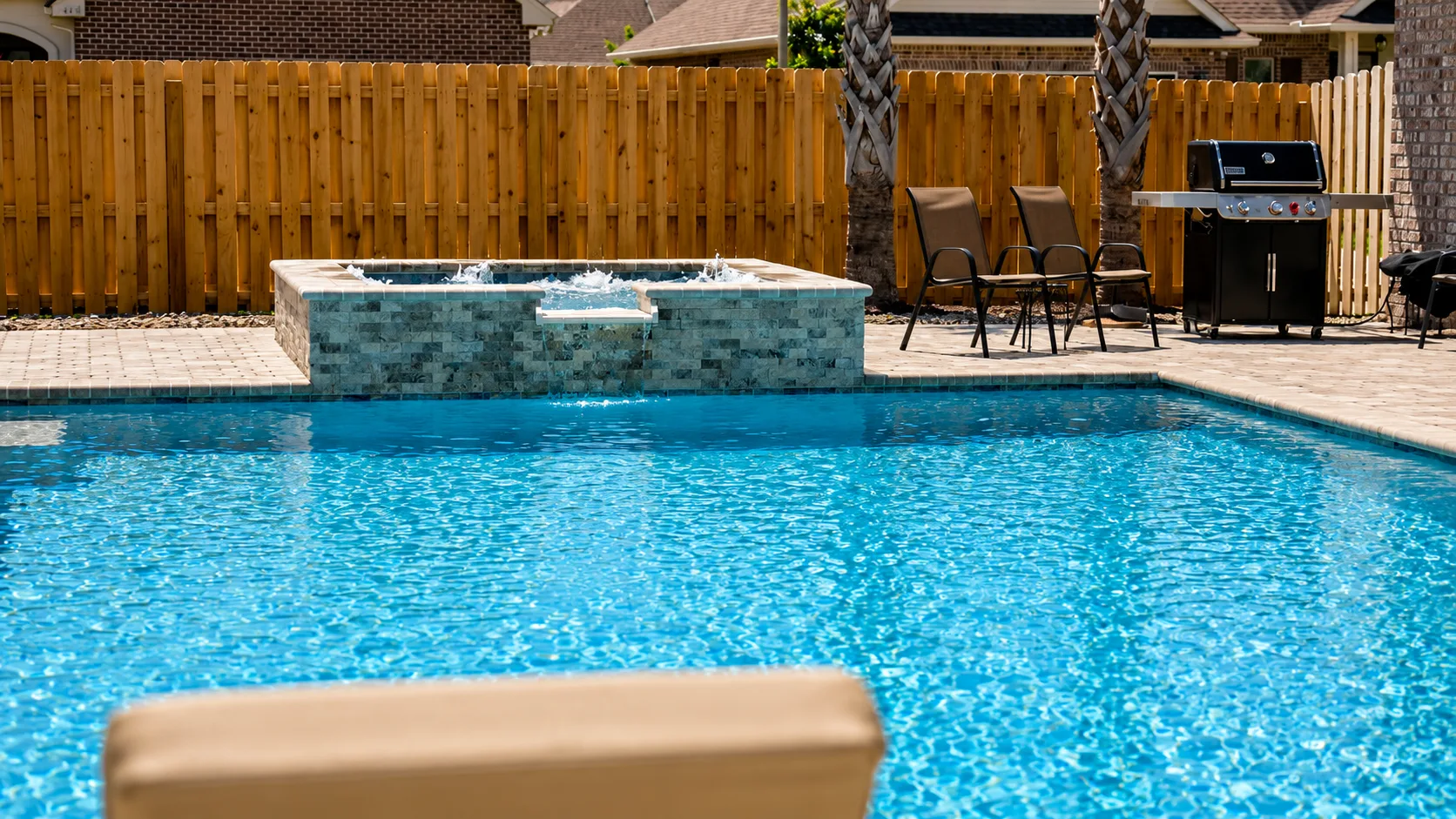
Why Choosing the Right Pool Remodeling Contractor Makes All the Difference
Hiring the right pool remodeling contractor is one of the most important decisions you’ll make for your backyard — and getting it wrong can cost you tens of thousands of dollars.
Here’s what to look for at a glance:
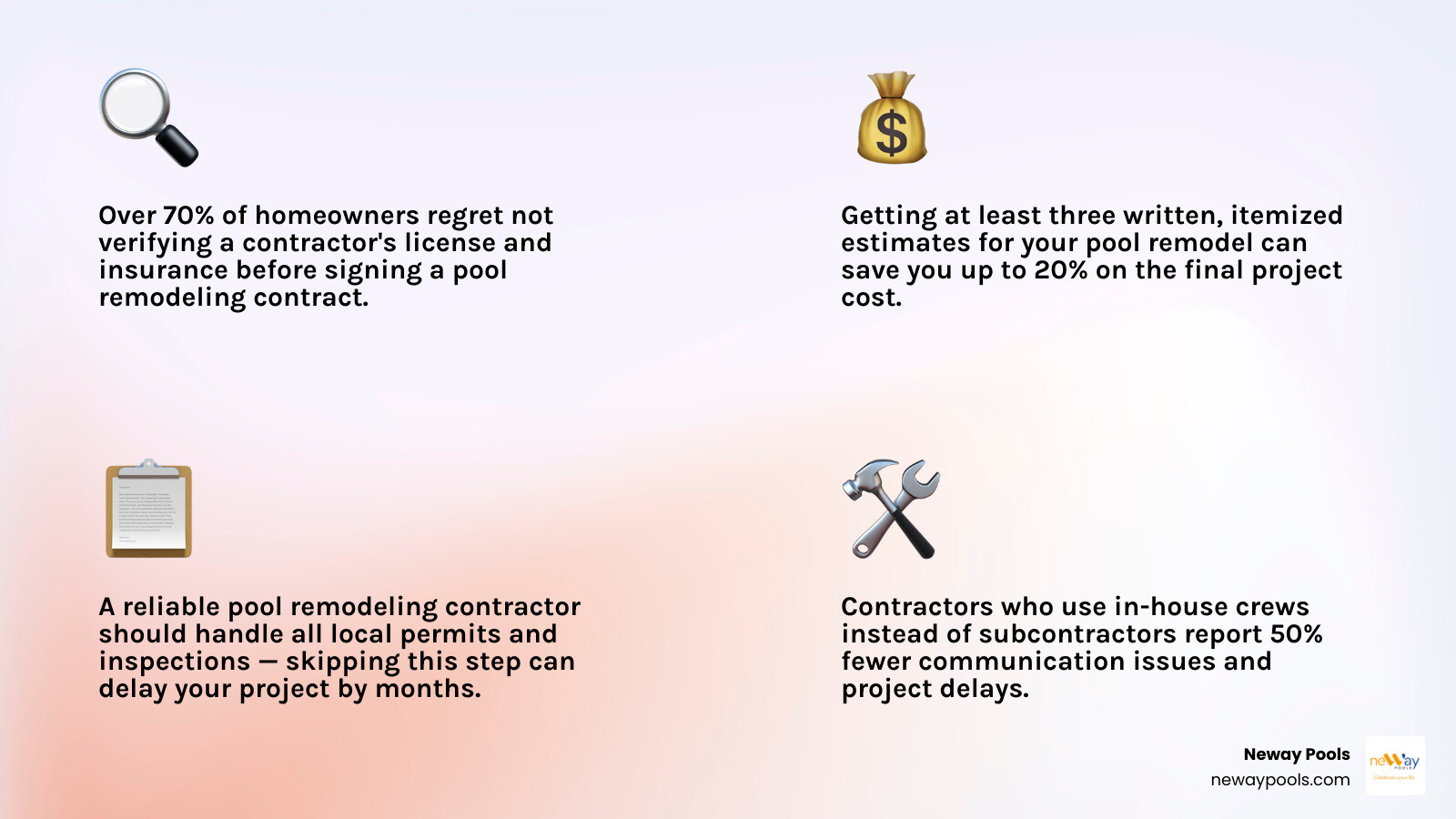
- Licensed and insured — Verify state contractor licenses and liability coverage before signing anything
- Proven experience — Look for a track record of completed projects, not just polished photos
- Transparent pricing — Get a written, itemized estimate before any work begins
- Permit handling — Your contractor should manage all local permits and inspections
- In-house crews — Contractors who self-perform work (rather than subcontract) offer better accountability and communication
- Warranty coverage — Ask specifically what’s covered and for how long
Most homeowners searching for a pool remodeling contractor are dealing with the same problem: their pool is aging, they know something needs to be done, but they’re not sure who to trust or where to start. Whether you’re looking at worn plaster, cracked coping, outdated equipment, or a full backyard overhaul, the quality of your contractor will determine everything — from how long the finished work lasts to how smoothly the project runs.
I’m Lucas Pimenta, General Manager at Neway Pools, and with over 20 years of hands-on experience in custom gunite pool construction and remodeling across North Carolina, Florida, Georgia, and Alabama, I’ve seen what separates a great pool remodeling contractor from one that leaves homeowners frustrated and over budget. In this guide, I’ll walk you through everything you need to know to make a confident, informed decision.
What a Comprehensive Pool Remodel Includes
A comprehensive pool remodel is much more than a simple cosmetic facelift. It is a coordinated, multi-step process that addresses both the structural integrity of your pool shell and the visual elements that define your outdoor living space. When you hire an experienced pool remodeling contractor, they will evaluate your entire pool system to ensure that structural repairs, surface finishes, and mechanical equipment work together seamlessly.
A full-scale pool remodel typically includes:
- Pool Resurfacing: Stripping away old, worn-out plaster and replacing it with a durable new interior finish.
- Tile and Coping Replacement: Replacing cracked or outdated waterline tiles and the safety ledge (coping) around the pool edge.
- Deck Renovation: Upgrading the surrounding patio with modern pavers, travertine, or concrete finishes.
- Water Features: Integrating luxury additions like deck jets, waterfalls, bubblers, or rock work.
- Plumbing and Equipment Upgrades: Modernizing the hidden infrastructure that keeps your pool running smoothly.
By coordinating these services into a single project, you avoid draining your pool multiple times, save on labor costs, and ensure a cohesive aesthetic. To see how these elements combine to breathe new life into older backyards, explore our guide on the pool backyard renovation refresh.
Aesthetic and Structural Upgrades
Before we can apply beautiful tiles or premium finishes, we must address the structural foundation of your gunite pool. Over time, shifting soil and water pressure can cause structural issues that require specialized masonry repairs.
A qualified pool remodeling contractor will inspect your pool for signs of structural distress, such as cracking along the bond beam (the thick concrete collar at the top of the pool wall) or delamination of the plaster. Structural restoration often includes:
- Bond Beam Repair: Chipping away damaged concrete, replacing rusted rebar, and forming a reinforced concrete beam to prevent future cracking.
- Crack Injection: Sealing structural cracks with epoxy or polyurethane foam to prevent water loss.
- Masonry Transitions: Ensuring clean, level transitions between the pool interior, the coping stones, and the surrounding deck.
Ignoring these issues can lead to major water loss and deck shifting. For detailed advice on identifying and repairing deck damage, check out our resource on pool surround repairs for a perfect patio.
Energy-Efficient Equipment Modernization
While a gorgeous new interior finish makes your pool look inviting, upgrading your mechanical equipment is what makes it smart, safe, and cost-effective to run. If your pool equipment was installed before 2010, it is likely consuming far more energy than necessary.
Modernizing your pool equipment during a remodel is the perfect time to make energy-efficient upgrades:
- Variable-Speed Pumps: Unlike single-speed pumps that run at maximum power all day, variable-speed pumps adjust their speed to match the pool’s needs. This simple upgrade can cut your pool’s energy consumption by up to 70% and typically pays for itself in utility savings within 18 to 24 months.
- LED Lighting: Modern, low-voltage LED lights use a fraction of the electricity of traditional incandescent bulbs and allow you to change colors via smart controls.
- Smart Automation: Automating your filtration cycles, heating, and water features allows you to manage your entire pool system from a smartphone app.
Upgrading your filtration and plumbing systems also reduces the risk of hidden plumbing leaks. If you suspect your older pool is losing water, read our guide on gunite pool leak detection chasing leaks without losing your mind.
Understanding Pool Remodeling Costs, Timelines, and Finishes
Understanding the budget and timeline for a pool remodel is key to a stress-free project. Costs vary widely depending on the size of your pool, the materials you select, and the complexity of the structural work required.
To help you plan, we have put together a breakdown of typical scopes, average price ranges, and expected timelines:
| Project Scope | Typical Features Included | Estimated Cost Range (2026) | Typical Timeline |
|---|---|---|---|
| Basic Resurfacing | Standard white plaster prep and application | $6,000 – $8,000 | 1 – 2 Weeks |
| Premium Resurfacing | Pebble or quartz finishes, minor tile repair | $8,000 – $15,000 | 1 – 2 Weeks |
| Intermediate Remodel | Premium finish, new waterline tile, and coping stones | $15,000 – $30,000 | 2 – 4 Weeks |
| Comprehensive Renovation | Finish, tile, coping, travertine deck, and pump upgrades | $30,000 – $75,000+ | 3 – 12 Weeks |
For a deeper dive into budgeting and design ideas, read our pool makeover cost guide 2026 and browse our gallery of backyard pool makeovers before and after.
Is It Cheaper to Remodel or Build a New Pool?
We are often asked if it is more cost-effective to remodel an existing pool or fill it in and build a brand-new one. In almost every scenario, remodeling is significantly cheaper than building new.
When you remodel, you are taking advantage of massive infrastructure savings. The excavation, steel-reinforced gunite shell, plumbing lines, and electrical hookups are already in place. Building a new pool requires starting from scratch with heavy excavation, engineering permits, soil testing, and structural steel installation—costs that are completely bypassed during a remodel. Remodeling allows you to transform your pool’s shape, add sun shelves, adjust depths, and upgrade finishes at a fraction of the cost of new construction. Learn more about how experienced gunite pool renovators can structurally alter your existing pool shell.
Plaster vs. Quartz vs. Pebble Finishes
The interior finish you choose has the biggest impact on your pool’s appearance, texture, and lifespan.
Here is how the three most popular finishes compare:
- Standard White Plaster: A classic blend of white cement and marble dust. It provides a smooth, bright blue water look. While it is the most budget-friendly option, it is also the least durable, typically lasting 7 to 12 years before requiring replacement due to staining or etching.
- Quartz Finishes: Formulated by mixing quartz aggregate with fortified cement. Quartz is much harder than standard plaster, offering excellent stain resistance and a lifespan of 10 to 15 years.
- Pebble Finishes: Engineered with tiny, naturally tumbled river pebbles bound by specialized cement. Pebble finishes are incredibly durable, slip-resistant, and chemically inert, meaning they resist staining and chemical damage. Properly maintained pebble finishes easily last 15 to 25+ years.
To help you choose the right surface for your family, read our detailed swimming pool replastering guide and our deep dive into the benefits of a pebble tec pool finish.
Best Finishes for High Heat and Sun Exposure
In the hot, humid climates of Florida, Georgia, North Carolina, and Alabama, your pool’s finish is constantly exposed to intense UV rays and high water temperatures. This environment accelerates chemical reactions, making standard plaster highly susceptible to fading, scaling, and mineral staining.
To ensure your investment lasts, we highly recommend premium quartz and pebble finishes. These materials offer superior thermal resistance and color retention, meaning they won’t fade or degrade under constant sun exposure.
Additionally, pairing a high-durability finish with cool decking materials like natural travertine pavers prevents your patio from burning your feet on hot summer afternoons. For a detailed comparison of high-performance surfaces, read about the quartz pool finish upgrade getting the best bang for your buck and how to handle specialized pebblecrete pool repairs.
How to Choose a Reliable Pool Remodeling Contractor
Finding a high-quality pool remodeling contractor requires looking past flashy marketing and verifying their actual business credentials. Because pool construction involves structural engineering, plumbing, and electrical work, hiring an unlicensed or uninsured contractor is an incredibly high-risk decision.
Always verify that your contractor holds:
- A Valid State Contractor’s License: Check your state’s licensing board to ensure their license is active and free of unresolved complaints. Homeowners can also review official resources such as the Florida Department of Business and Professional Regulation license search, the Georgia Secretary of State licensing division, or the North Carolina Licensing Board for General Contractors license search when applicable.
- Comprehensive Liability Insurance: This protects your home and property in the event of accidental damage during construction.
- Worker’s Compensation: This ensures you aren’t held liable if a worker is injured on your property.
- A Strong BBB Rating: Look for businesses with solid ratings and a history of resolving customer disputes fairly.
For a step-by-step approach to vetting local professionals, use our guide to find your perfect pool remodeler today.
Red Flags When Hiring a Pool Remodeling Contractor
To protect your home and your wallet, keep an eye out for these common industry warning signs:
- Extremely Lowball Estimates: If an estimate is significantly lower than others, the contractor is likely cutting corners on surface prep, using low-quality materials, or planning to hit you with surprise change orders later.
- Heavy Subcontractor Reliance: Some companies are sales-only operations that subcontract 100% of the physical labor. This often leads to poor communication, scheduling delays, and finger-pointing when mistakes happen.
- Lack of Structural Expertise: A contractor who only does cosmetic plastering may not know how to identify or repair serious structural issues like shifting bond beams or active leaks.
- High Pressure to Pay Upfront: Avoid contractors who demand large cash deposits before any materials are delivered or work begins.
Questions to Ask Your Pool Remodeling Contractor
Before signing a contract, schedule an in-person consultation and ask these critical questions:
- “Do you use your own in-house crews, or do you subcontract the work?” (In-house crews ensure better quality control and reliable timelines.)
- “What are your specific warranty terms on hardscapes, plumbing, and finishes?” (At Neway Pools, we provide an industry-leading 3-year warranty on our hardscapes and plumbing.)
- “Will you handle all the building permits and HOA approvals, or is that my responsibility?”
- “Can you provide recent project photos and references from clients in my immediate area?”
When evaluating professionals, look for those who demonstrate a high level of craftsmanship, detailed masonry, and structural engineering. Proper surface preparation and premium material selection are critical to long-term performance, ensuring your remodeled pool stands the test of time.
For advice on evaluating repair professionals for pools and attached spas, check out our guide on how to choose the right spa pool repairs near me.
Frequently Asked Questions About Pool Remodeling
How do I know when my pool needs to be resurfaced?
Your pool will tell you when it is ready for a new finish. The most common warning signs include:
- Rough Plaster: If the surface feels abrasive, scrapes your feet, or snags swimsuits, the plaster has etched and worn away.
- Stubborn Stains: Deep, dark stains or mineral scaling that cannot be removed by chemical treatments or acid washing.
- Peeling or Flaking: Known as delamination, this occurs when the plaster finish begins to separate from the gunite shell beneath.
- Structural Cracks & Water Loss: If you find yourself constantly adding water, structural cracks in the shell may be letting water escape.
Do I need permits or HOA approval for a pool remodel?
Yes. In most municipalities across Florida, Georgia, North Carolina, and Alabama, structural modifications, plumbing changes, and electrical upgrades require building permits and inspections. Additionally, if you live in an HOA-governed community, you must submit your design plans, material selections, and construction schedule for HOA approval before any work can begin. A professional pool remodeling contractor will handle the entire permitting process and provide the necessary documentation for your HOA.
How long does a typical pool remodel take?
A straightforward pool resurfacing project (plaster, quartz, or pebble only) can be completed in as little as 1 to 2 weeks. However, a comprehensive remodel that includes new tile, coping, deck replacement, and equipment upgrades typically takes 2 to 4 weeks.
While the physical construction phases move quickly, factors like weather delays (especially during summer afternoon rainstorms in the South) and municipal inspection schedules can occasionally impact the timeline.
Crafting Your Perfect Backyard Escape
At Neway Pools, we believe your pool should be a place where your family gathers to build lasting memories. Whether you are in Gulf Breeze, Pensacola, Tallahassee, Cumming, Atlanta, or Wilmington, our team is dedicated to delivering expert design, premium materials, and a seamless construction experience.
We specialize in custom gunite pools and complete outdoor living spaces, backing our craftsmanship with an industry-leading 3-year warranty on all hardscapes and plumbing. Ready to transform your old, worn-out pool into a resort-style oasis?
Let’s make some waves together:
- Schedule a consultation with our design team today to get a custom quote for your backyard transformation!