
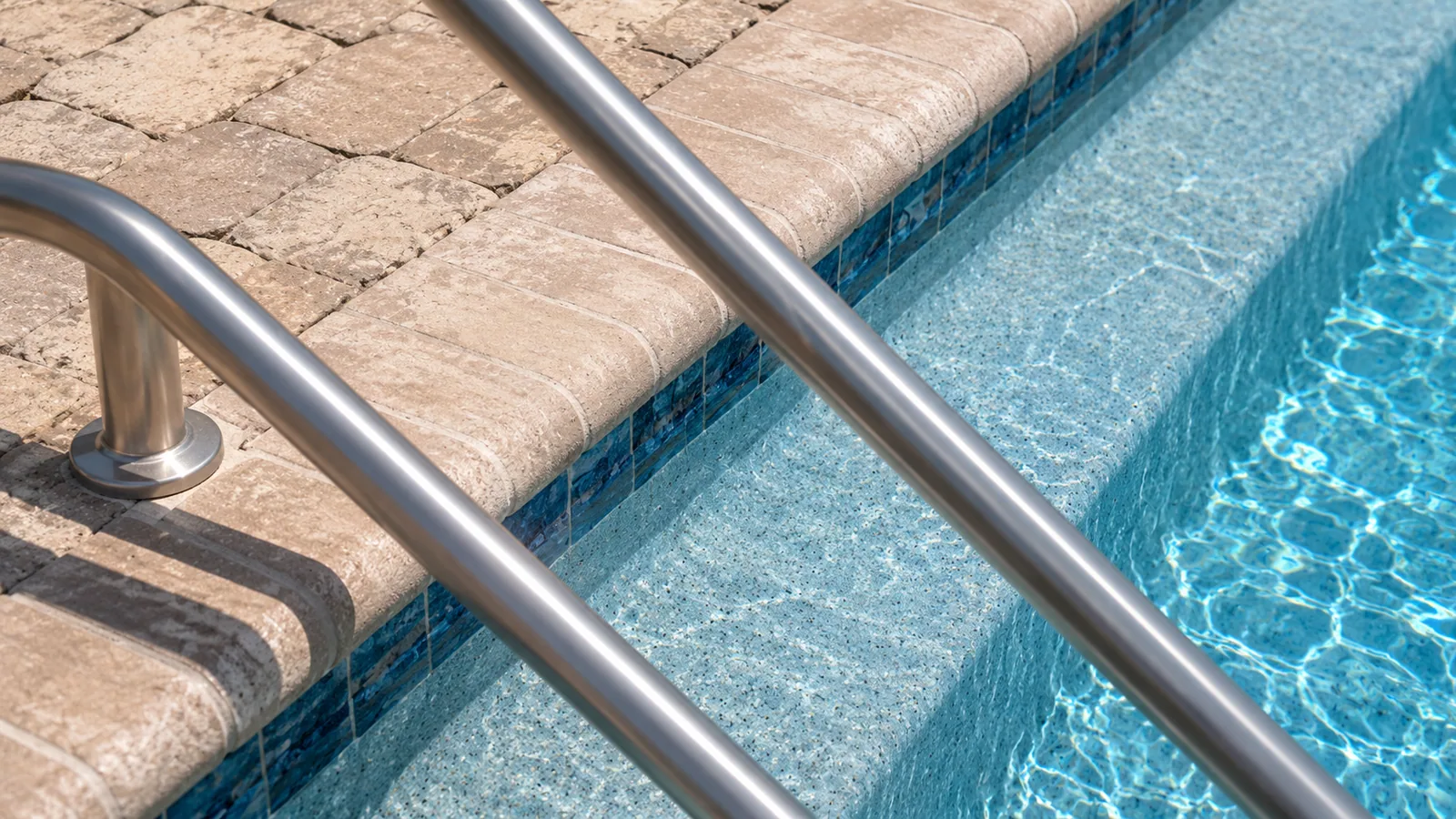
What Is Swimming Pool Replastering — and Do You Need It?
Swimming pool replastering is the process of removing the worn interior finish of a concrete or gunite pool and applying a fresh layer of plaster to restore its waterproofing, appearance, and structural protection.
Quick answers:
- What it is: Applying a new plaster coating to the interior surface of a concrete or gunite pool
- When you need it: When you notice rough texture, staining, cracks, exposed gunite (gray spots), or unexplained water loss
- How often: Every 10–20 years, depending on finish type and water chemistry maintenance
- How long it takes: 3 to 7 days from draining to refill
- Cost range: $4.50–$6.00 per square foot; roughly $5,000–$6,700 for an average residential pool
- DIY or pro?: Professional — the application requires specialized equipment and masonry skill
Concrete pools are the most common type of inground pool in the United States, and plaster is what makes them watertight. Without it, the porous concrete shell would absorb water, harbor algae, and deteriorate rapidly. Plaster is a sacrificial layer — it’s designed to degrade slowly over time so the structure beneath stays protected.
Most pool owners don’t think about their plaster until it starts causing problems: a surface that feels like sandpaper underfoot, stubborn stains that won’t respond to chemicals, or a water bill that keeps creeping up for no obvious reason. By that point, a full replaster is usually the right call.
I’m Lucas Pimenta, General Manager of Neway Pools, and over my 20+ years building and renovating custom gunite pools across North Carolina, Florida, Georgia, and Alabama, swimming pool replastering has been one of the most common and consequential services our clients ask about. In this guide, I’ll walk you through everything you need to know — from reading the warning signs to protecting your new finish for years to come.
Understanding Replastering vs. Resurfacing
In the pool industry, you’ll often hear the terms “resurfacing” and “replastering” used interchangeably, but there is a technical distinction. According to Pool Resurfacing and Replastering Services Explained, resurfacing is a broad umbrella term that applies to any pool type (vinyl, fiberglass, or concrete) when the interior finish is replaced.
Swimming pool replastering is specific to concrete and gunite pools. Because concrete is naturally porous, it requires a cementitious waterproofing layer — traditionally “marcite” (a mix of white Portland cement and marble dust) — to act as a barrier. Without this layer, water would seep through the shell, leading to structural instability and chemical imbalances. As we move into May 2026, many homeowners are choosing more durable options like pebblecrete pool repairs or quartz aggregates, which provide superior shell protection compared to standard white plaster.
When Does Your Pool Need Swimming Pool Replastering?
Your pool will usually tell you when it’s time for a refresh. Here are the most common distress signals:
- Surface Pitting and Sandpaper Texture: If the floor feels like it’s scraping the skin off your feet, the plaster has likely etched. This happens when the water becomes “hungry” for calcium and leaches it directly from the plaster.
- Mineral and Organic Stains: Deep rust-colored spots (often from fertilizer or metal toys) or tannin stains from acorns can become permanent. If an acid wash doesn’t lift them, replastering is the only way to get that “new pool” look back.
- Structural Cracks and Water Loss: While minor “crazing” (spiderweb cracks) is often cosmetic, cracks wider than 1/4 inch may indicate structural movement. If you’re losing more than a quarter-inch of water a day, your waterproof barrier may be compromised.
- Exposed Gunite: If you see dark gray patches showing through the white plaster, your “sacrificial layer” has worn completely away. This is an emergency for your pool’s structure.
- Algae Harboring: Old, pitted plaster creates millions of tiny “caves” where algae can hide from your chlorine, making it nearly impossible to keep the water clear.
Don’t forget that a beautiful pool interior deserves a beautiful frame; often, homeowners pair this work with pool surround repairs for a perfect patio to ensure the entire backyard looks cohesive.
How Often Should You Replaster?
The general “10-year rule” is a good baseline for concrete pools. However, the actual lifespan depends heavily on the materials used and how well you maintain your water chemistry. Standard white plaster typically lasts 7 to 15 years. If you upgrade to quartz, you can expect 15 to 25 years, while pebble finishes can easily last 20 to 30+ years.
Aesthetic needs often drive the timeline as much as structural ones. Many of our clients in areas like Alpharetta, GA or Wilmington, NC choose to replaster every 20 years as part of a larger backyard renovation, even if the plaster is still technically holding water. High UV exposure in Florida locations like Pensacola or Panama City Beach can also accelerate chemical degradation, making more frequent check-ups necessary. If you’re searching for pool repairs and renovations near me, it’s best to have a professional assess whether your issues are cosmetic or structural.
The Step-by-Step Process of Swimming Pool Replastering
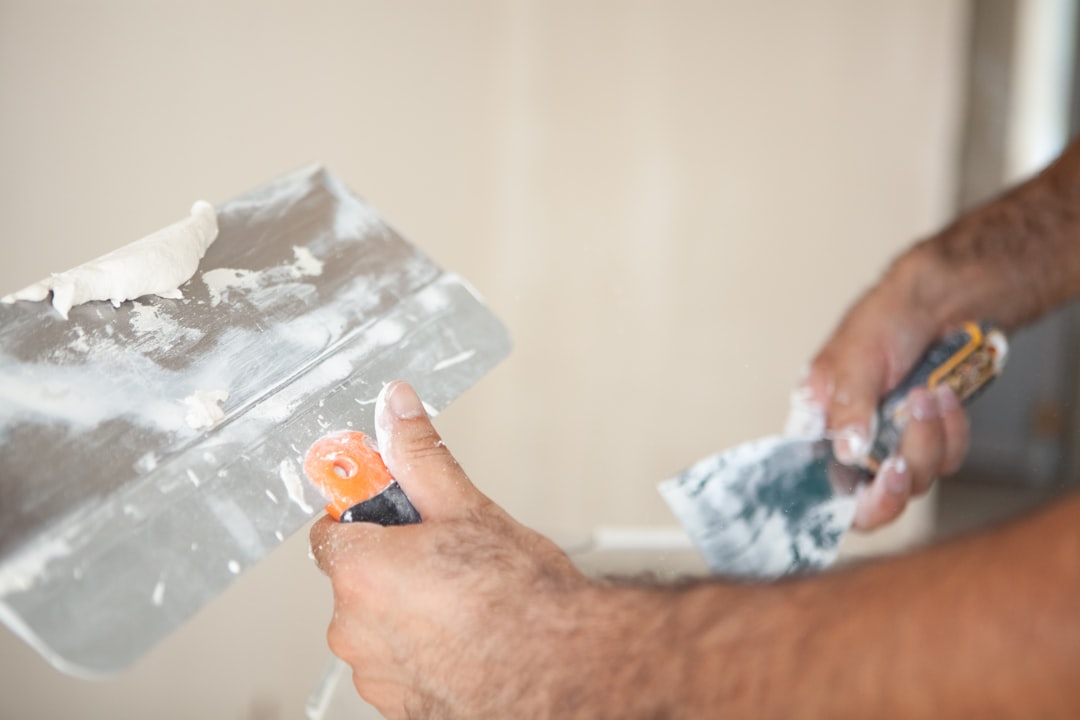
Replastering is a fascinating, labor-intensive process that transforms a rugged concrete shell into a smooth, inviting oasis. According to A Guide to the Process of Swimming Pool Replastering, the work typically follows a 3-to-5-day window, though larger projects in places like Cumming, GA or Milton, GA might take up to a week.
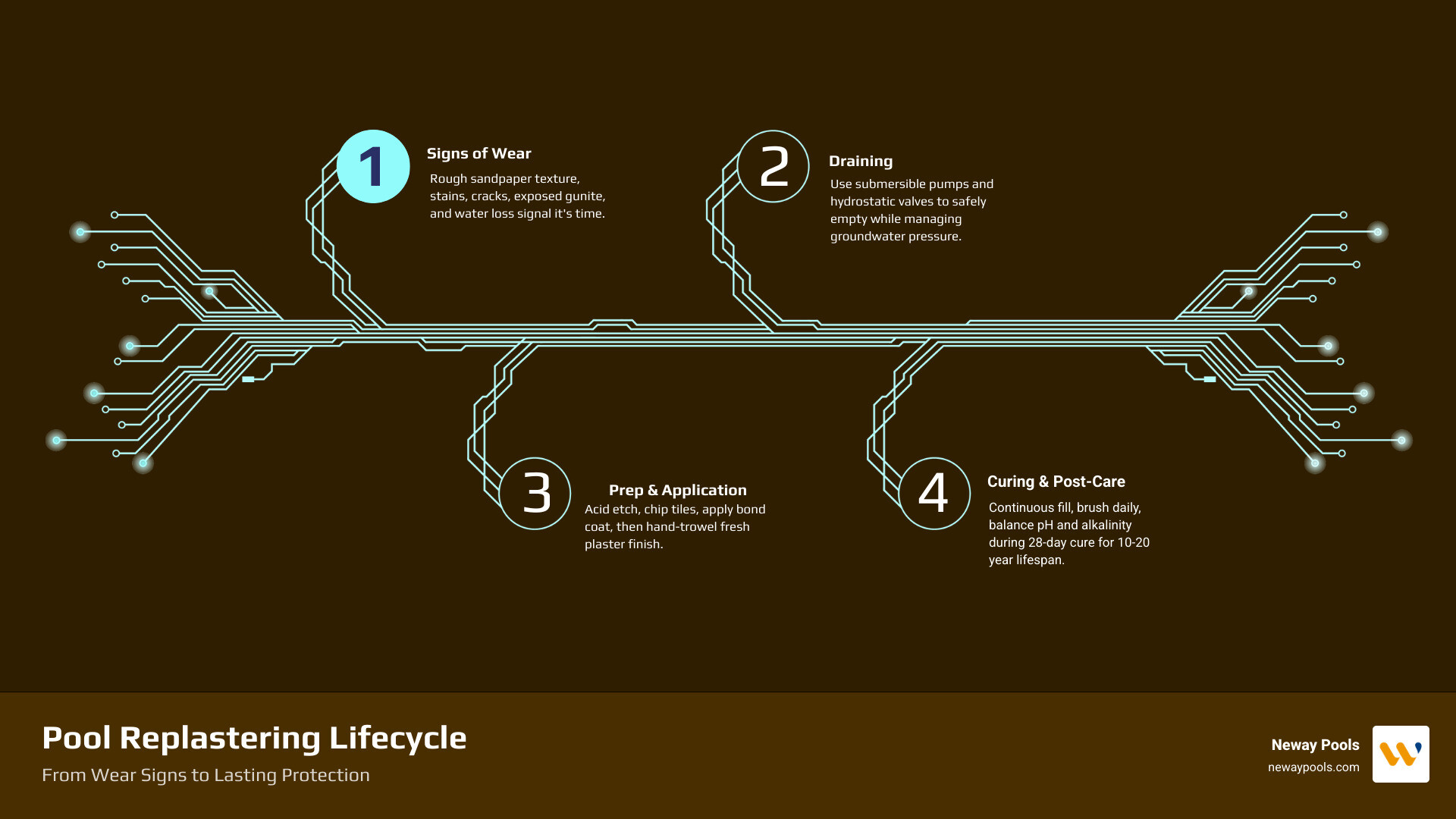
- Draining: We use high-volume submersible pumps to empty the pool.
- Hydrostatic Pressure Relief: This is the most critical safety step (more on this below).
- Preparation: We chip out the old plaster around the tile line and fittings using a diamond blade.
- Acid Etching: A muriatic acid wash “roughens” the old surface so the new material can stick.
- Bond Coat: We apply a specialized adhesive layer to ensure the new plaster fuses to the old shell.
- Plaster Application: A “plaster rig” pumps the mix into the pool, where masons hand-trowel it to a smooth finish.
Preparation and Safety Precautions
The biggest risk during swimming pool replastering is a phenomenon known as “popping.” If the groundwater level is high — common in coastal areas like Wrightsville Beach, NC or Perdido Key, FL — the empty pool can act like a boat and literally float out of the ground. To prevent this, we must remove the hydrostatic relief valves on the pool floor to equalize pressure.
We also take surface preparation seriously. We often recommend a microglass protectant or high-quality bond coats to prevent delamination (where the new plaster peels away from the old). Safety is paramount; our crews use full PPE when handling muriatic acid and use specialized “peg shoes” to walk on wet plaster without leaving permanent footprints.
Application and Curing
The actual application is a race against the clock. Masons must maintain a “wet edge” to prevent cold joints, which are visible lines where one section of plaster dried before the next was applied. Once the final troweling is complete, the pool must be filled continuously. If you stop the hose halfway, you will end up with a permanent “water ring” or “bathtub ring” on your brand-new finish.
New plaster doesn’t dry in the air; it cures underwater. This 28-day window is the most critical time in the life of your pool. Whether you chose a standard finish or a premium Pebble Tec pool finish, the chemistry of the fill water will determine the final color and smoothness of the surface.
Choosing the Right Finish and Timing
Selecting a finish is the fun part! It’s where you decide the “vibe” of your backyard.
| Finish Type | Lifespan | Pros | Cons |
|---|---|---|---|
| White Plaster | 7-15 Years | Classic look, lowest upfront cost | Most susceptible to staining and etching |
| Quartz Aggregate | 15-25 Years | Durable, many color options | Mid-range price |
| Pebble Finish | 20-30+ Years | Extremely durable, natural look | Rougher texture, highest cost |
| Glass Beads | 20+ Years | Stunning shimmer and “pop” | Premium pricing |
As noted in Pool Replastering Explained: Process, Lifespan, and Options, quartz and pebble finishes are essentially standard plaster mixed with harder stones. This makes them much more resistant to the harsh chemicals used in modern pools. For those planning a swimming pool remodel in NC, we often suggest these upgrades to handle the variable climate.
Best Environmental Conditions for Success
Timing is everything. The “temperature sweet spot” for swimming pool replastering is between 50 and 75 degrees Fahrenheit.
- Spring and Fall: These are the ideal seasons. The mild weather allows the plaster to cure slowly and evenly.
- Avoid Extreme Heat: If it’s 95 degrees in Tallahassee or Atlanta, the plaster can dry too fast, leading to “shrinkage cracks.”
- Watch the Wind: Windy days can blow leaves, dirt, and pollen into the sticky, curing plaster, creating permanent blemishes.
Cost Factors in Swimming Pool Replastering
The cost to replaster is primarily driven by square footage and material choice. For a standard 1,000-square-foot pool (roughly 16×33 feet), you can expect to pay between $5,022 and $6,696 at a rate of $4.50 to $6.00 per square foot. However, specialty finishes like pebble or glass beads can push the price toward $10,000 or even $30,000 for large, high-end installations.
According to our pool makeover cost guide 2026, other factors that affect your quote include:
- Regional Labor Rates: Pricing in Atlanta or Marietta may differ from rural North Carolina.
- Surface Prep: If the old plaster is delaminating and needs a full “chip-out” rather than just an acid wash, labor costs will rise.
- Accessibility: If our plaster rigs can’t get close to the pool, extra labor is required to move material.
Post-Replastering Care and Startup
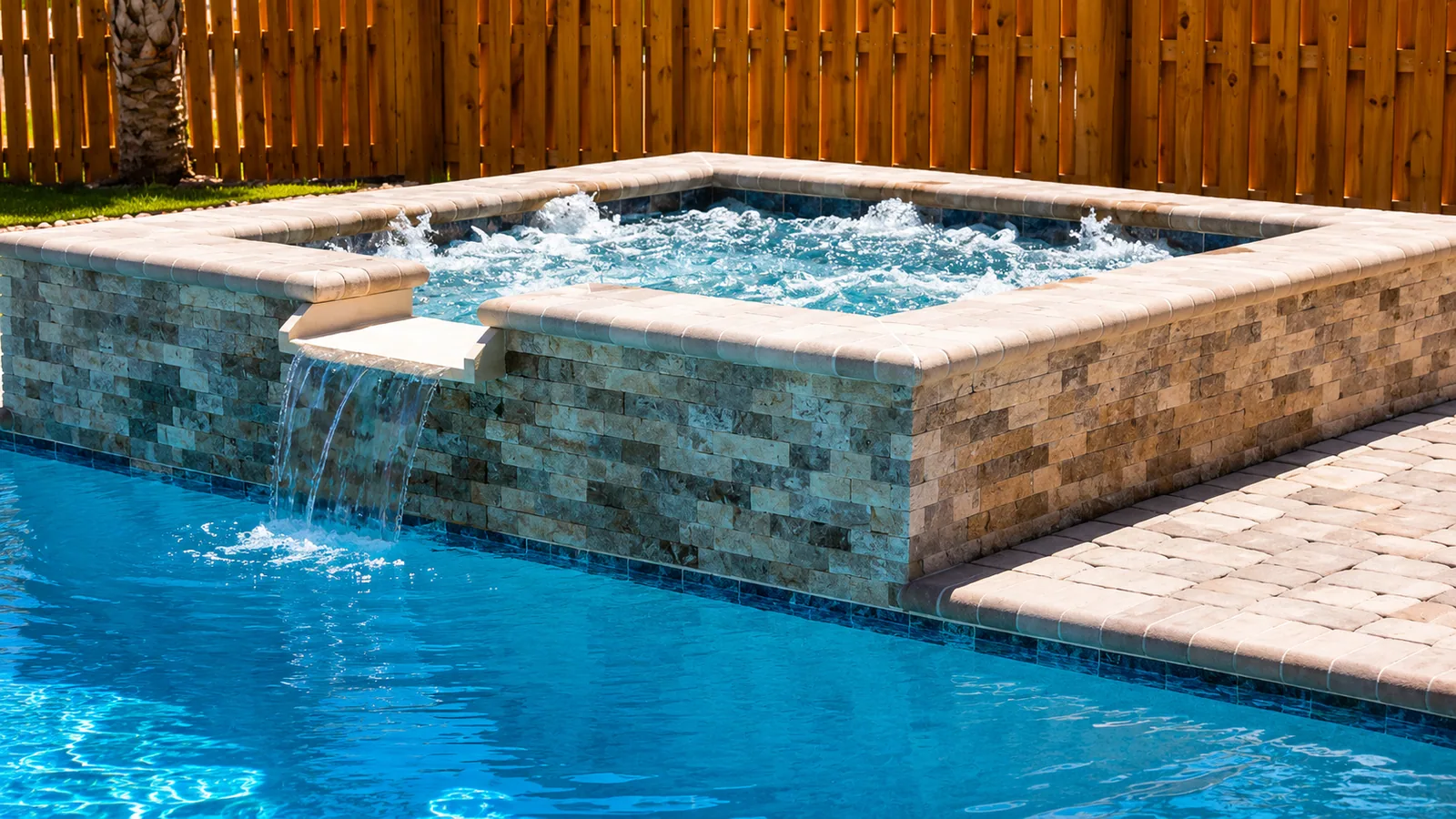
Once the professionals leave and the water is running, your work begins. Following the National Plasterers Council (NPC) startup protocol is non-negotiable if you want your warranty to remain valid.
The most common method is the “Acid Start.” This involves carefully managing the Total Alkalinity and pH to “lock in” the plaster’s color and prevent “plaster dust” (calcium carbonate) from scaling on the surface. For the first 7 to 14 days, you must:
- Brush Twice Daily: This is vital. You are literally brushing away the dust that settles as the plaster cures.
- Test Chemistry Daily: Your pH will naturally rise as the plaster cures. You must use muriatic acid to keep it between 7.2 and 7.4.
- Run the Filter 24/7: This catches the dust you’ve brushed loose.
For specific regional advice, such as Pensacola pool remodeling and renovation in FL, we provide localized chemical guides to account for the mineral content in the local municipal water.
Common Mistakes to Avoid
- Stopping the Fill: As mentioned, this causes permanent rings.
- Adding Chlorine Too Soon: Wait at least 48 to 72 hours. Adding it too early can stain the “soft” new plaster.
- Using Robotic Cleaners: Keep the “crawlers” out of the pool for the first 30 days. Their wheels can leave tracks in the curing surface.
- Turning on the Heater: Plaster dust can clog and damage the copper heat exchanger in your heater. Wait at least two weeks.
- Neglecting the Filter: You’ll need to clean your filter cartridges or backwash your sand filter much more frequently during the first month.
Your Path to a Restored Backyard Oasis
At Neway Pools, we believe a pool should be more than just a hole in the ground filled with water; it should be the heart of your home. Whether we are working in Gwinnett County, GA or New Hanover County, NC, our goal is to provide a finish that lasts for decades. If you’re looking for inspiration, check out our backyard pool makeovers before and after gallery to see how a simple replaster can transform an eyesore into a luxury retreat.
Our General Manager, Lucas, oversees every renovation to ensure it meets our high standards for gunite construction. A pool backyard renovation refresh is an investment in your family’s quality of life and your property’s value.
Can I replaster a pool myself?
We strongly advise against DIY swimming pool replastering. While you can rent a pump and buy the materials, the “art” of troweling a curved pool surface is something that takes years to master. Professionals use specialized equipment like plaster rigs and power trowels that the average homeowner simply doesn’t have access to. A botched DIY job often ends up costing double because a professional crew has to be hired to chip out the mess and start over. Plus, you’ll lose the peace of mind that comes with a professional warranty.
How long does the new plaster last?
As a rule of thumb:
- Standard White: 10 years
- Quartz: 15-20 years
- Pebble: 25+ years
The biggest factor in longevity is water chemistry. A pool with perfectly balanced water will see its plaster last twice as long as one that is neglected. High acidity (low pH) will eat the plaster away, while high alkalinity will cause scale to build up, making the surface rough and ugly.
What are the environmental rules for draining?
Draining a pool isn’t as simple as opening a valve. The EPA’s Clean Water Act and local regulations in places like Johns Creek, GA or Savannah, GA often prohibit discharging chlorinated water into storm drains, as it can kill local fish and wildlife.
- Neutralization: Use a chemical like “Chem Out” to bring chlorine levels to zero before draining.
- Sewer vs. Storm Drain: Check if your local municipality requires you to drain into the sanitary sewer clean-out rather than the street.
- Acid Runoff: During the acid wash phase, the runoff must be neutralized with soda ash before it is disposed of to prevent soil contamination.
For a professional assessment of your pool’s health and a transparent quote on your next renovation, visit our contact page and let’s start planning your backyard’s next chapter.
Ready to Smooth Things Over?
Swimming pool replastering is the ultimate “reset button” for your backyard. It fixes the leaks you can’t see, smooths the surfaces you can feel, and restores the beauty you fell in love with when the pool was first built. By understanding the process and committing to the 28-day startup care, you ensure that your “slice of paradise” remains a soft, shimmering invitation for years to come. Dive back into a pool that feels as good as it looks!
For Florida information click here.
For Georgia information click here.