
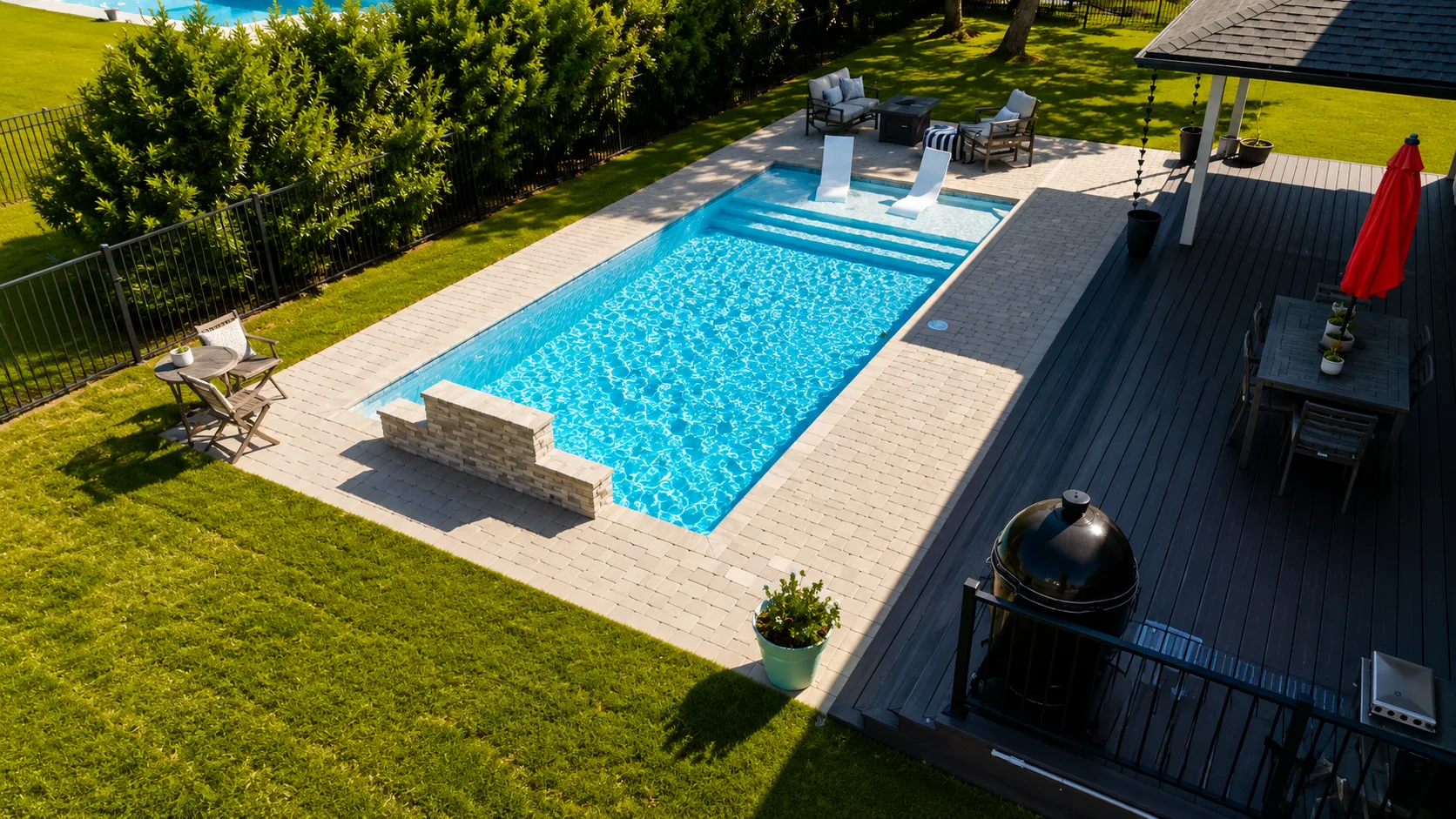
What Gunite Pool Renovators Do
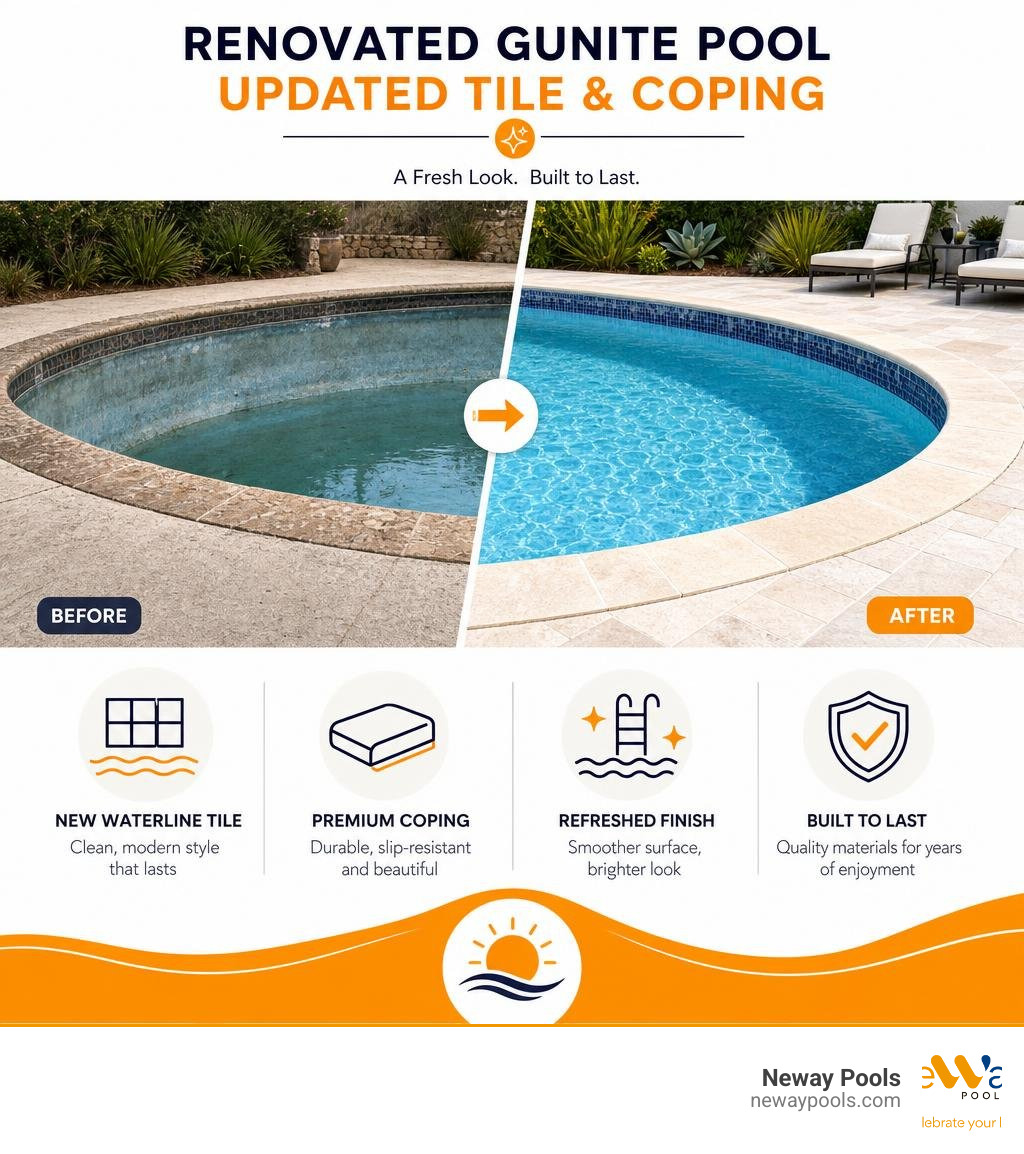
Gunite pool renovators are specialized contractors who restore, resurface, and upgrade concrete swimming pools that have been built using the gunite (shotcrete) method. If your pool is showing cracks, rough plaster, worn tile, or outdated features, a gunite renovation can bring it back to life — without the cost of a full replacement.
Here’s a quick overview of what gunite pool renovators typically handle:
- Resurfacing — applying new plaster, quartz, or pebble finishes to the pool interior
- Structural repairs — fixing cracks, beam failure, and shell deterioration
- Tile and coping replacement — updating waterline tile and pool edging
- Plumbing upgrades — leak detection, pipe replacement, and circulation system repair
- Decking and masonry — stamped concrete, travertine, and paver installations
- Equipment modernization — variable-speed pumps, automation systems, and saltwater chlorinators
Gunite pools are built to last for decades, but they aren’t maintenance-free forever. Most pool plaster surfaces last 10 to 15 years before needing renewal. Structural issues like ground movement or failed caulking can accelerate that timeline.
The good news: a targeted renovation almost always makes more financial sense than tearing out and rebuilding an entire pool from scratch.
I’m Lucas Pimenta, General Manager here at Neway Pools, and over my 20+ years of hands-on experience designing and building custom gunite pools, I’ve seen how the right gunite pool renovators can transform an aging backyard pool into a stunning outdoor centerpiece. In this guide, I’ll walk you through everything you need to know to make a confident, informed decision about your renovation.
Why You Need Specialized Gunite Pool Renovators
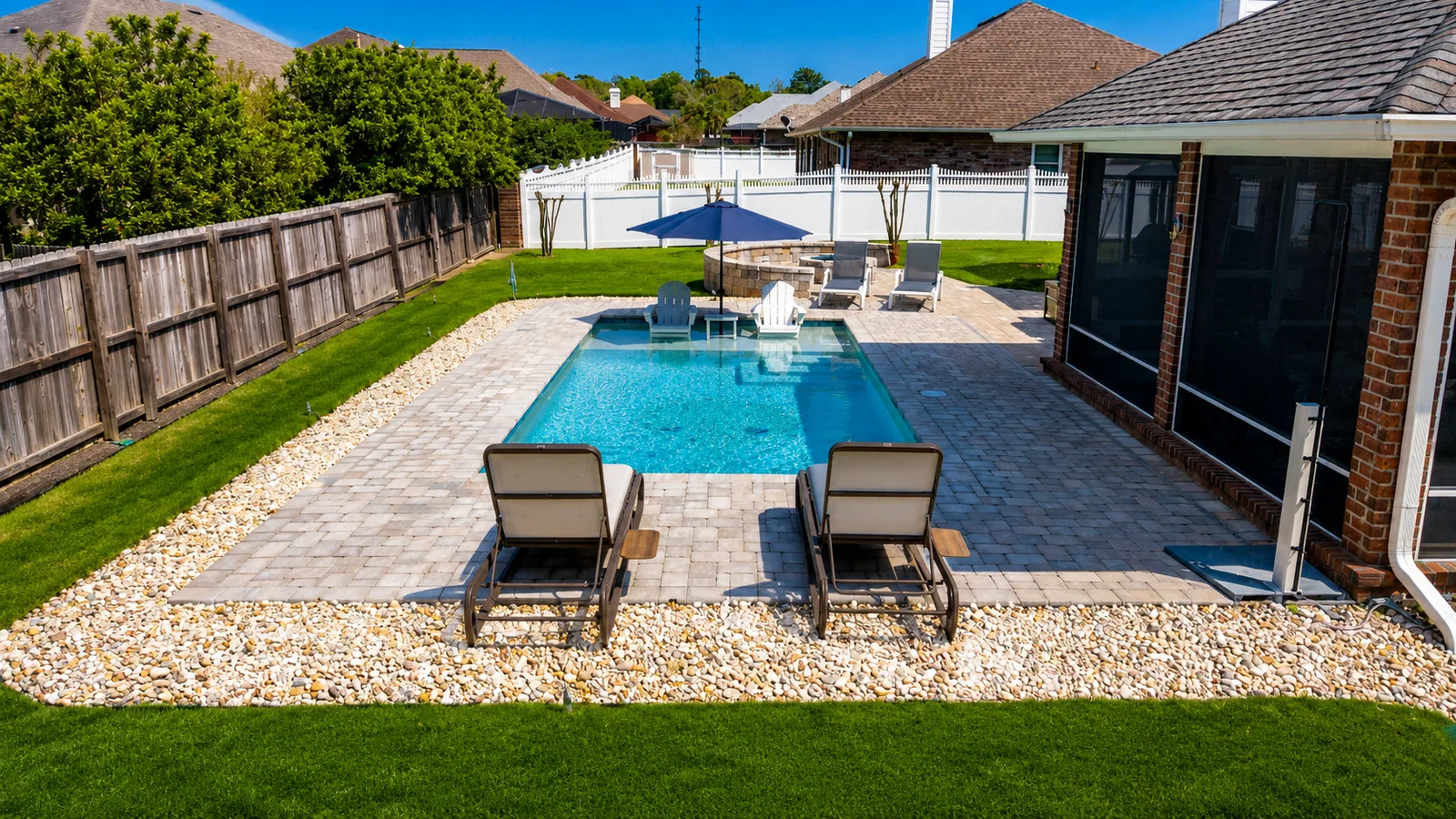
When it comes to restoring an inground swimming pool, many homeowners assume any general contractor or handyman can handle the job. However, gunite is a highly specialized material that requires a deep understanding of structural engineering, concrete chemistry, and pneumatic application techniques.
Unlike vinyl liner or fiberglass pools, which are pre-manufactured structures, a gunite pool is built directly on-site. Gunite is a dry mixture of sand and cement sprayed through a hose at high velocity, combining with water at the nozzle just as it is applied to a steel rebar cage. This process, historically known as shotcrete, creates an incredibly strong, monolithic shell. Because the shell is integrated with the surrounding earth, repairing or altering it demands specialized equipment and expert craftsmanship. For a complete understanding of how these structures are built and maintained from day one, check out our Overview of gunite pools.
Understanding the Gunite Shell and Structural Integrity
The structural core of your pool is a grid of steel rebar encased in high-pressure pneumatic concrete. Over time, external forces can threaten this foundation. Ground movement, shifting water tables, improper winterization, and failed expansion joint caulking are the primary culprits behind major pool damage.
When the earth shifts, it exerts immense pressure on the pool walls. If the expansion joint—the flexible seal between your pool coping and the concrete deck—fails, water can seep behind the pool wall. During temperature swings, this trapped water expands and contracts, leading to beam failure. The “beam” is the top 12 inches of the pool wall where the tile and coping sit. When a beam fails, the coping stones loosen, tile lines crack, and structural cracks can propagate down into the pool shell itself. Fixing these issues is not a matter of simply cosmetic patching; it requires reinforcing the steel rebar, injecting structural epoxies, and rebuilding the concrete framework.
Why General Contractors Can’t Match Professional Gunite Pool Renovators
Specialized gunite pool renovators use highly advanced, industry-specific equipment that general builders simply do not possess. For example, preparing an old plaster surface for a new finish requires removing old paint, plaster scale, and contaminants. While some general contractors might suggest sandblasting or acid-washing, experts often utilize ultra-high-pressure water blasting.
Operating at up to 40,000 PSI while using only about 3 gallons of water per minute, these specialized water blasting machines are quieter, highly eco-friendly, and incredibly effective at stripping away old layers to expose a clean, rough, and bondable concrete shell.
Additionally, professional renovators use laser leveling systems to ensure that replacement skimmers, tile lines, and gutters are perfectly aligned with the water level. Before applying any new interior finish, a specialized contractor will apply a high-performance, polymer-modified bond coat. This step is critical; without a proper bond coat, the new plaster layer will fail to adhere to the old gunite shell, leading to delamination and hollow spots within just a few years.
Common Signs Your Gunite Pool Needs Renovation
Recognizing when your pool is crying out for professional help can save you thousands of dollars in compounding damage. While some signs are purely aesthetic, others point to serious structural compromises. If you suspect your pool is losing water or showing deep structural distress, you can learn more about diagnosing these hidden problems in our guide on Chasing leaks and detecting gunite pool issues.
Surface Deterioration and Rough Plaster
The most common sign that your pool is reaching the end of its surface lifespan is rough, deteriorating plaster. If your kids are complaining about scraped toes or snagged swimsuits, the plaster has likely lost its smooth finish.
Over time, unbalanced water chemistry causes calcium to migrate from the concrete shell outward through the plaster layer, a process that leads to calcium scaling, pitting, and a sandpaper-like texture. You might also notice peeling plaster (delamination), where thin sheets of the topcoat flake off to reveal the dark gunite shell underneath. Stubborn rust stains, copper discoloration, and deep organic staining are also signs that the plaster has become porous and is absorbing contaminants, making it nearly impossible to keep clean.
Structural Cracks and Water Loss
While surface stains are an eyesore, structural cracks and water loss are immediate emergencies. A minor hairline crack in the plaster is common as a pool settles, but deep, continuous cracks that run through the tile line and down into the shell indicate structural movement.
Other clear warning signs include:
- Hollow Coping: If you tap on your coping stones and hear a hollow “thud,” the mortar bed has failed, and the stones are at risk of falling into the pool.
- Tile Delamination: Waterline tiles cracking, popping off, or falling into the water are signs of beam movement or water penetration behind the tile bed.
- Unexplained Water Loss: If you find yourself topping off the pool more than normal (accounting for evaporation), you likely have a leak.
Expert renovators will pressure test the entire plumbing system to isolate whether the leak is in the underground PVC lines, the skimmer throats, the main drain, or directly through a crack in the gunite shell.
Core Services and Resurfacing Finishes
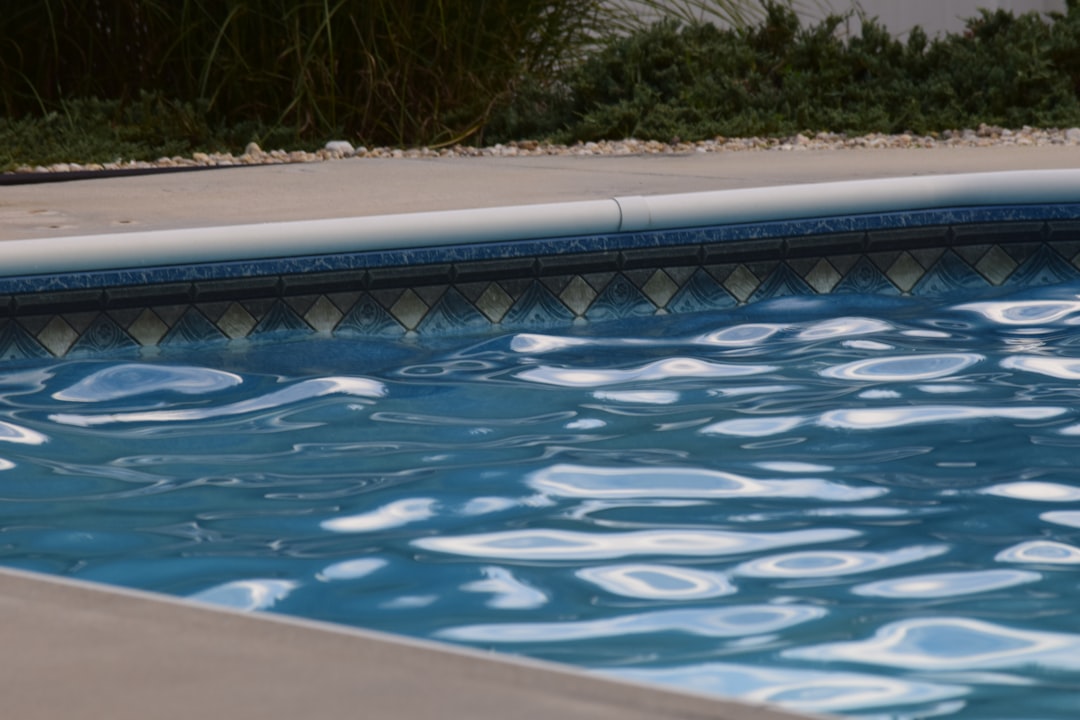
A comprehensive renovation does more than just fix leaks—it completely reimagines your pool’s aesthetic and functional design. From the waterline tile to the surrounding decking, every element can be customized to create a seamless transition between your home and your outdoor living space. To understand how to coordinate your pool shell repairs with your patio area, explore our tips on Pool surround and patio repairs.
Premium Resurfacing Options from Gunite Pool Renovators
The interior finish is the crown jewel of your pool. It dictates the water color, the texture underfoot, and how long the pool will go before needing another major renovation. When you work with professional renovators, you aren’t limited to basic white plaster. Modern material science has introduced incredibly durable, beautiful options that turn your pool water into a sparkling oasis. For a deep dive into the application steps and preparation required for these finishes, read our Comprehensive guide to pool replastering.
Comparing Plaster, Quartz, and Pebble Finishes
Choosing the right finish involves balancing your budget, aesthetic goals, and longevity expectations. To help you weigh these options, we have compiled a detailed comparison of the three most popular finishes used by modern gunite pool renovators:
| Finish Type | Average Lifespan | Relative Cost | Key Features & Textures |
|---|---|---|---|
| Traditional White Plaster | 8 to 12 Years | Budget-Friendly | Classic, smooth white finish; creates a bright blue water look; highly susceptible to chemical staining and etching. |
| Exposed Quartz Aggregate | 12 to 15 Years | Moderate | Blend of plaster and hard quartz crystals; slip-resistant; highly resistant to chemical erosion; adds a subtle shimmer to the water. |
| Pebble Aggregate | 15 to 25+ Years | Premium | Natural, tumbled river pebbles blended with fortified cement; highly durable; textured, organic feel; incredibly stain-resistant. |
If you are leaning toward a premium, natural look that offers maximum durability against chemical wear, you can read more about the specialized repair and installation of aggregate finishes in our guide to Pebblecrete and aggregate pool repairs.
Plumbing and Equipment Modernization
A pool renovation is the perfect time to look beneath the surface and upgrade your pool’s “heart and lungs.” Old pools often rely on flexible PVC or thin-walled pipes that are prone to crushing and leaking. Professional renovators replace these outdated lines with schedule 40 rigid PVC pipe, which is pressure-tested to ensure decades of leak-free operation.
In addition to plumbing, modernizing your equipment pad can dramatically lower your utility bills and chemical usage. By upgrading your pool during a renovation, you can integrate:
- Variable-Speed Pumps: Unlike old single-speed pumps that run at maximum power constantly, variable-speed pumps adjust their speed to the pool’s needs, saving up to 70% on electricity costs.
- Smart Automation Systems: Control your pool’s heating, lighting, water features, and sanitation systems directly from your smartphone.
- Saltwater Chlorinators: Generate a pure, natural form of chlorine from mild saltwater, eliminating red eyes, itchy skin, and chemical odors.
- Advanced Filtration: Oversized cartridge filters with built-in antimicrobial protection can reduce your filter cleaning schedule to just once or twice a year, saving thousands of gallons of water by eliminating the need to backwash.
To explore the full range of modern equipment upgrades and structural design modifications available for your backyard, check out our Pool renovation services and upgrades.
Cost, Timeline, and Project Expectations
Understanding the logistics of a pool remodel helps you plan your backyard downtime and budget effectively. A professional renovation is a multi-step construction process that requires heavy machinery, skilled artisans, and precise curing phases. For a detailed breakdown of pricing structures, material costs, and budgeting tips, consult our Pool makeover cost guide for 2026.
Typical Renovation Timelines and Phases
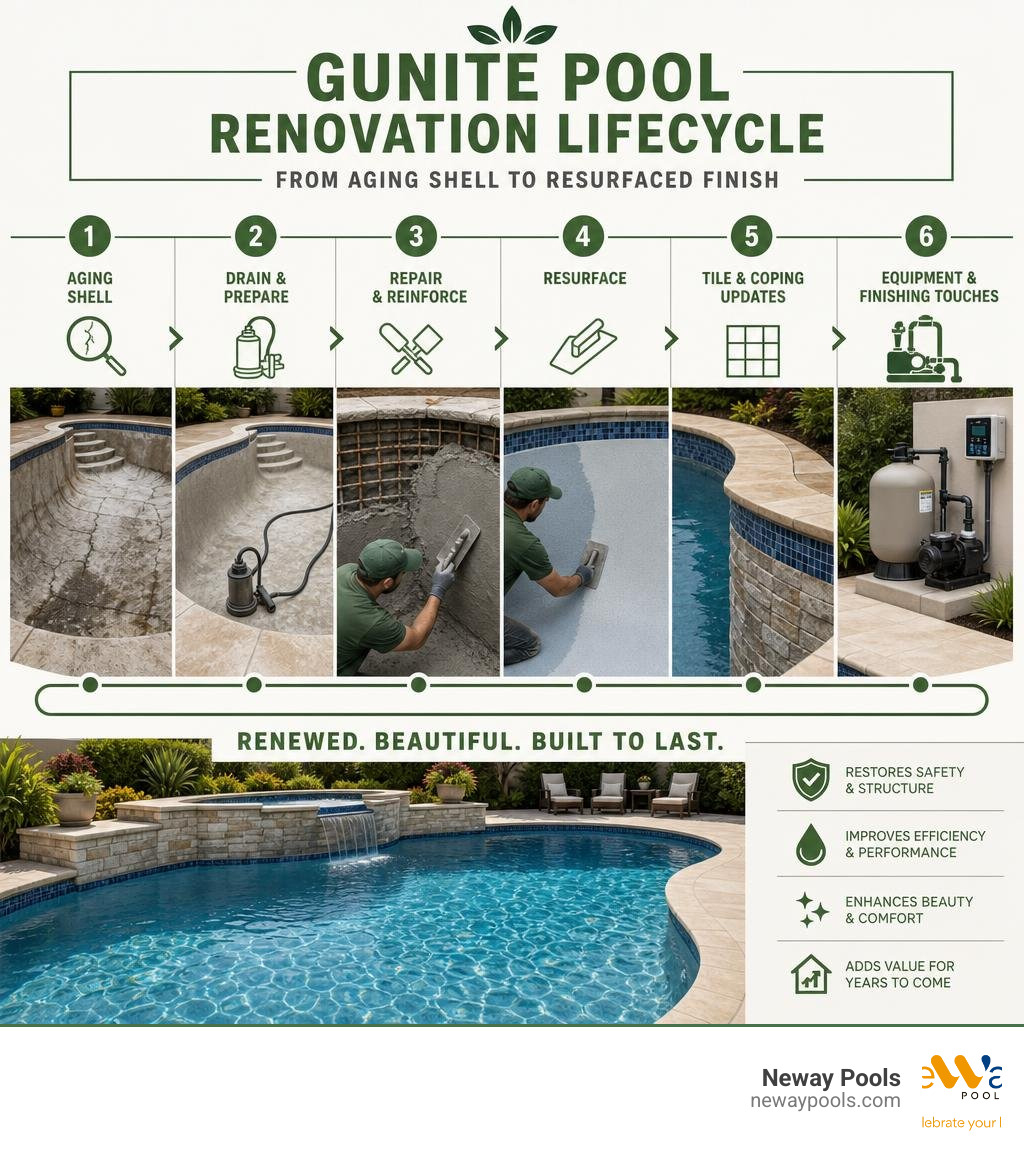
While every project varies based on scope, a standard gunite pool renovation typically takes between 1 to 3 weeks of active on-site work. However, the entire process—including design, permitting, and material sourcing—should be viewed as a multi-phase journey.
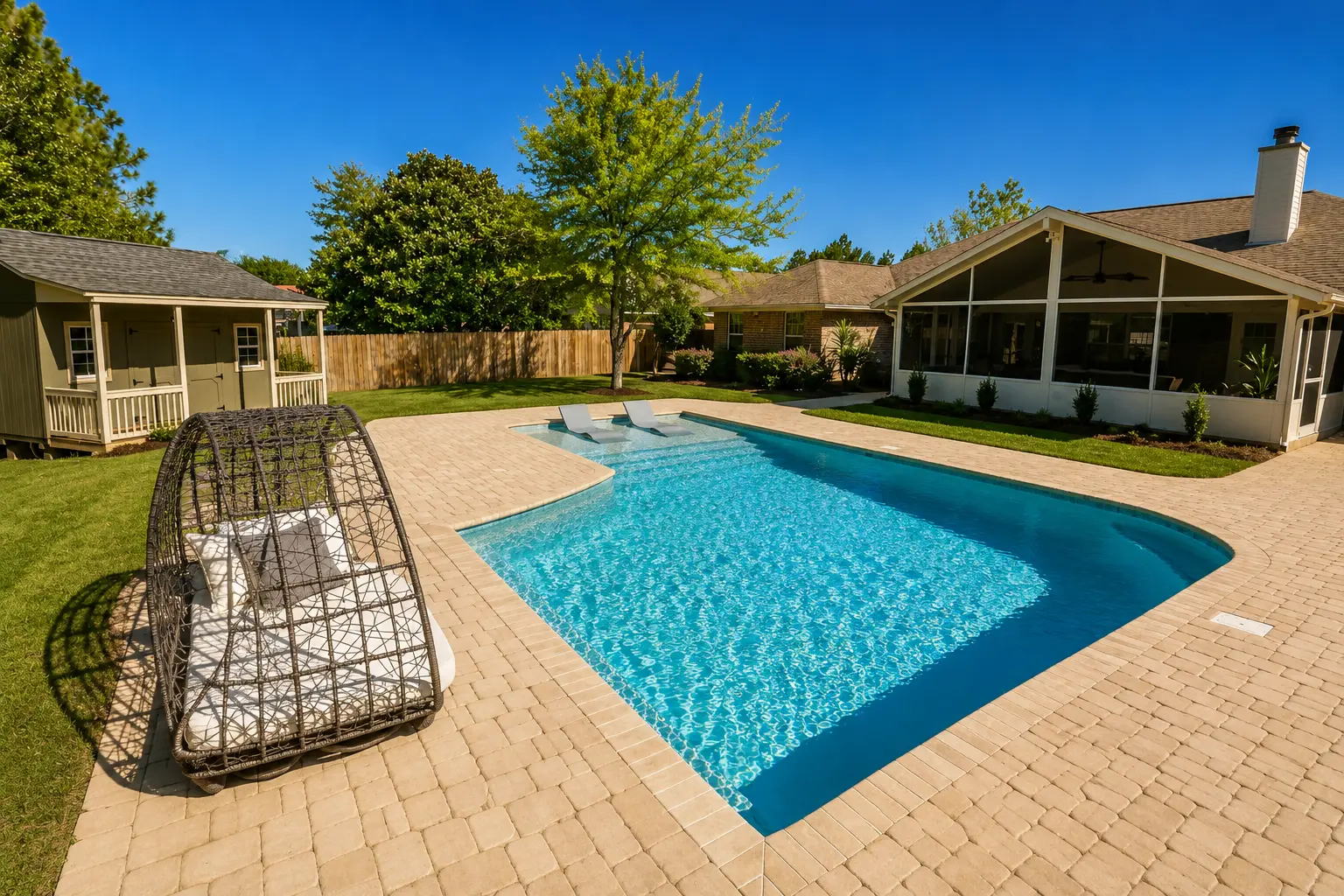
- Phase 1: Demolition & Preparation (Days 1–3): The pool is drained, and crews use pneumatic hammers or high-pressure water blasting to strip away old plaster, remove damaged tile, and chip out loose coping.
- Phase 2: Structural Repairs & Plumbing (Days 4–7): Any structural cracks are reinforced with steel staples and epoxy injection. New rigid PVC plumbing lines, skimmers, and main drains are installed and pressure-tested.
- Phase 3: Tile, Coping & Masonry (Days 8–12): Skilled masons hand-lay your chosen waterline tile, install new coping stone (such as travertine or bluestone), and complete any deck repairs.
- Phase 4: Interior Finish Application (Days 13–15): The new plaster, quartz, or pebble finish is pneumatically applied, hand-troweled, and acid-washed (if aggregate) to expose the beautiful textures.
- Phase 5: Fill & Curing (Days 16+): The pool is immediately filled with water to prevent the new finish from drying out or cracking. A critical 28-day curing process begins, during which the water chemistry must be monitored daily and brushed to remove plaster dust.
Key Factors Influencing Renovation Costs
The overall cost of your renovation is driven by several key factors:
- Pool Size and Shape: Larger pools require more materials, longer labor hours, and larger equipment.
- Choice of Finish: Upgrading from standard white plaster to a premium pebble finish can increase the resurfacing cost, though it offers a much longer lifespan.
- Structural Complexity: Repairing extensive beam damage, stabilizing shifting soils, or adding new features like tanning ledges or water features requires advanced engineering and specialized labor.
- Access and Location: Tight backyard access that prevents the use of standard machinery can increase labor costs, as materials must be moved by hand.
Frequently Asked Questions About Gunite Pool Remodeling
How long does a gunite pool renovation typically last?
A professionally renovated gunite pool will last 10 to 15 years before needing another resurface, provided you choose a high-quality finish like quartz or pebble and maintain proper water chemistry. Regular water testing and balancing prevent calcium scaling and chemical etching, which are the primary causes of premature surface wear.
Can I alter the shape or depth of my pool during renovation?
Yes! Because gunite is incredibly versatile, we can structurally re-shape your pool during a renovation. Popular structural modifications include shallowing a deep end to create a more usable play area, adding a custom tanning ledge (baja shelf), building a swim-up bar, or adding a relaxing spillover spa.
What is the best time of year to schedule a pool renovation?
While we renovate pools year-round, fall and winter are the absolute best times to schedule your project. During the off-season, demand for pool builders is lower, permitting offices move faster, and your project can be completed without disrupting your summer swim season. Renovating in the cooler months also ensures your backyard is fully restored and ready for enjoyment by the first warm day of spring.
Ready to Bring Your Backyard Vision to Life?
At Neway Pools, we believe your backyard should be a sanctuary—a place where your family gathers to make lasting memories. We specialize in designing, building, and renovating custom gunite pools and outdoor living spaces.
Whether you are looking to restore a cracked shell, upgrade to a modern pebble finish, or completely remodel your pool deck, our experienced team brings unmatched craftsmanship and premium materials to every project. To give you complete peace of mind, we back our hardscapes and plumbing work with an industry-leading 3-year warranty.
Don’t let another season go by wishing your pool looked different. Let’s work together to transform your aging pool into an inspiring backyard masterpiece. Explore pool remodeling options for Florida, Georgia, and North Carolina to schedule your free design consultation with the right Neway Pools team.