
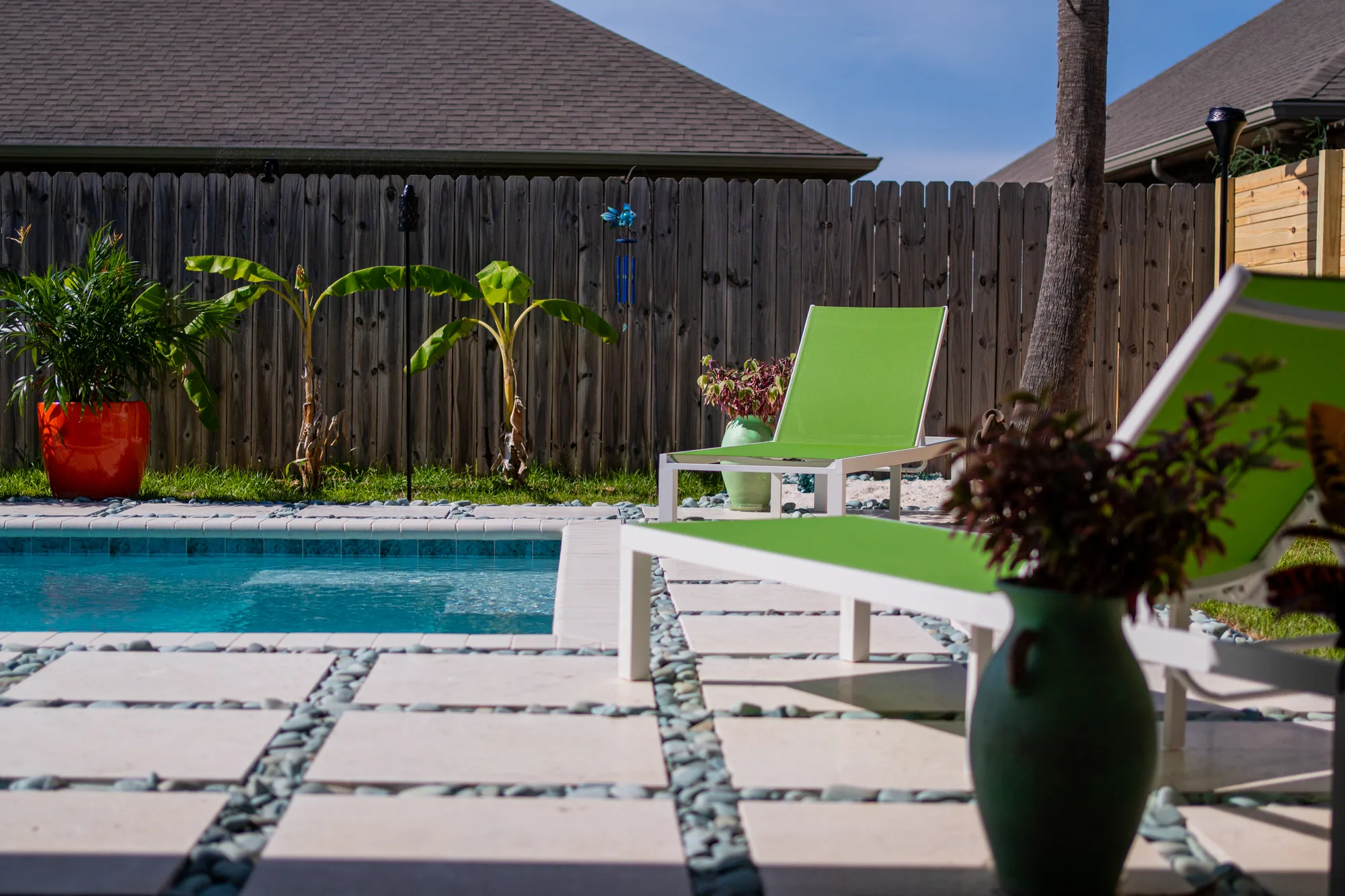
Why Your Pool Surround Deserves Immediate Attention
Pool surround repairs are essential maintenance tasks that restore the safety, function, and beauty of the concrete, pavers, or coping that frame your swimming pool. Whether you’re dealing with cracks, uneven slabs, or failing joints, understanding your repair options helps you protect your investment and keep your backyard oasis safe for family and friends.
Quick Answer: What You Need to Know About Pool Surround Repairs
- Common problems include surface cracks, sunken concrete, loose coping, and drainage issues
- Repair methods range from simple crack filling ($3-5/sq ft) to full resurfacing ($8-12/sq ft)
- Minor repairs can often be completed in 1-2 days without draining your pool
- Professional help is recommended for structural issues, significant settling, or widespread damage
- Timely repairs prevent water damage to your pool shell and eliminate dangerous trip hazards
Your pool surround takes a beating. Between scorching summer heat, chemical splashes, ground movement, and constant foot traffic, the concrete or pavers around your pool face conditions that would challenge any surface. Over time, small cracks appear. Sections settle or lift. Coping stones loosen. Water begins pooling where it shouldn’t.
These aren’t just cosmetic issues. A damaged pool surround creates safety hazards for barefoot swimmers, allows water to seep behind your pool shell, and can signal deeper problems with soil stability or drainage. Left unaddressed, minor damage escalates into expensive structural repairs.
The good news? Most pool surround problems can be fixed before they become major headaches. Understanding what’s causing the damage and knowing your repair options helps you make smart decisions about your backyard investment.
I’m Lucas Pimenta, and I’ve spent over 20 years building and restoring custom gunite pools across North Carolina, Florida, Georgia, and Alabama. Throughout my career with Neway Pools, I’ve helped countless homeowners address pool surround repairs ranging from simple crack sealing to complete deck replacements, always focusing on solutions that deliver lasting value.
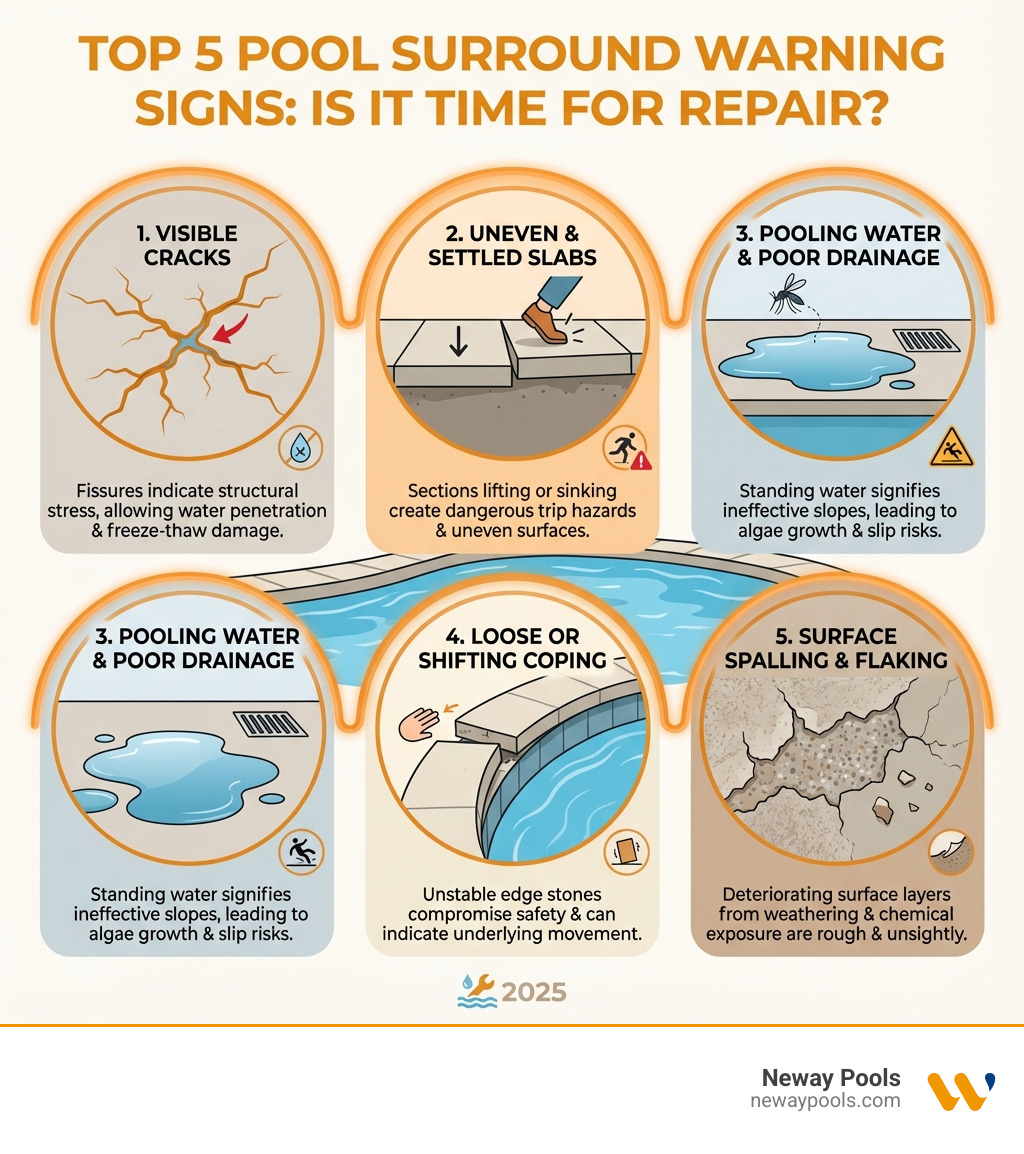
Identifying Common Pool Surround Problems and Their Causes
When we talk about pool surround damage, we’re referring to a range of issues that can affect the structural integrity, safety, and aesthetic appeal of your pool area. From the concrete deck to the intricate coping, every component plays a role in the overall health of your backyard oasis.
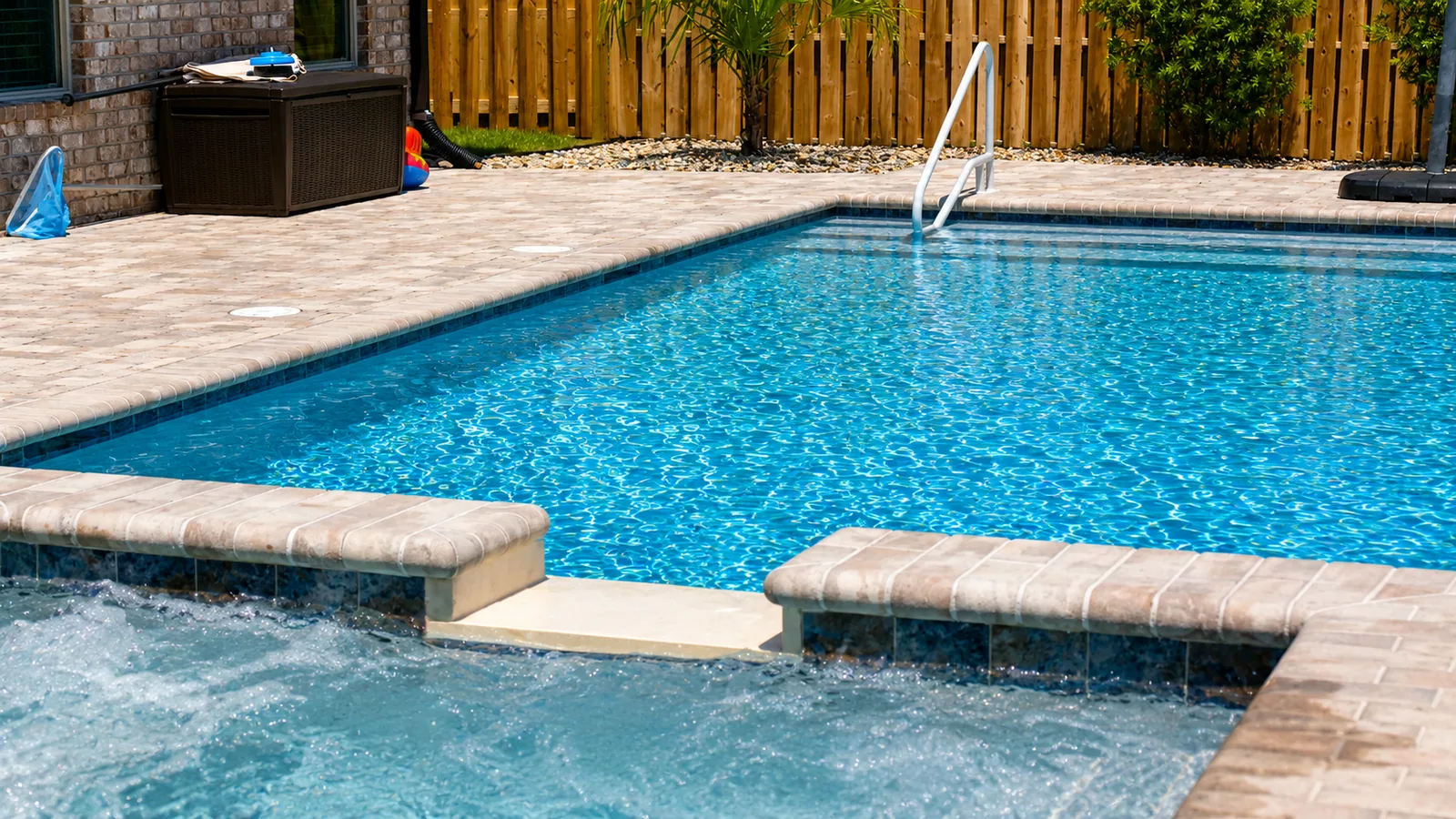
Cracks, Spalling, and Surface Wear
One of the most common problems we encounter with pool surrounds, especially those made of concrete, is cracking. Cracks can range from minor hairline fractures to significant structural fissures.
- Hairline cracks are often a result of concrete shrinkage during the curing process or minor temperature fluctuations. While primarily cosmetic, they can allow water penetration if left unsealed.
- Structural cracks are wider (more than 1/4 inch) or longer (over 2 feet) and often indicate more serious issues like ground movement or settlement. These cracks can compromise the entire deck’s stability.
- Spalling and flaking occur when small pieces of the concrete surface chip or peel away. This is often caused by freeze-thaw cycles (though less common in our warmer Florida and Georgia climates, it can affect certain areas of North Carolina), deicing salts, or a weak concrete mix.
- Discoloration and surface wear can result from chemical spills, prolonged sun exposure, or abrasive cleaning methods. Over time, the surface can become chalky or flaky, reducing its grip and aesthetic appeal.
What causes these issues?
The primary culprits for cracks and surface wear include:
- Weather conditions: The constant expansion and contraction of concrete due to temperature changes.
- Chemical damage: Pool chemicals, if spilled or improperly balanced, can erode the concrete surface.
- Poor concrete mix: An inadequately mixed concrete, especially one with too much water, can lead to a weaker surface prone to cracking and spalling.
- Lack of control joints: Insufficient or improperly placed expansion joints prevent concrete from expanding and contracting naturally, forcing it to crack elsewhere.
- Lack of reinforcement: Inadequate steel reinforcement can lead to structural cracks.
For more information on concrete pool decks, you can visit Pool Deck Info.
Sunken, Settled, and Uneven Surfaces
A pool surround that isn’t level is not only an eyesore but a significant safety hazard. Sunken or uneven surfaces often manifest as:
- Sinking concrete slabs: Sections of your deck may appear lower than others, creating steps or slopes where there shouldn’t be any.
- Uneven pavers: Individual pavers can shift, tilt, or sink, leading to an irregular surface.
- Trip hazards: Any unevenness exceeding about 1/4 inch can cause someone to trip and fall, especially on a wet surface.
What causes sinking and unevenness?
The ground beneath your pool surround is constantly in motion, and several factors can contribute to settlement:
- Soil erosion: Water, especially from heavy rains or poor drainage, can wash away the soil supporting the concrete or pavers.
- Poor soil compaction: If the ground wasn’t properly compacted before construction, it will naturally settle over time, taking the pool surround with it.
- Water undermining: Leaks from the pool or plumbing, or simply rainwater, can seep under the slabs, eroding the sub-base and creating voids. This is a common cause of pool surround subsidence.
Key contributors to sunken concrete include soil erosion, poor initial soil compaction, and the natural expansion or shrinking of soils. We’ve seen this in our service areas, where local soil conditions and heavy rainfall can significantly impact a pool deck’s stability.
Coping and Joint Issues
The coping is the border area that separates your pool from the deck, and it’s a critical component for both structural integrity and aesthetics. Problems here often include:
- Loose coping stones: The mortar or adhesive holding coping stones in place can degrade, causing them to wobble or detach.
- Cracked coping: Similar to the deck, coping can crack due to freeze-thaw cycles, ground movement, or heavy impacts.
- Failed expansion joints: The flexible sealant between the coping and the deck, or between coping stones, can dry out, crack, or pull away, creating gaps.
- Grout deterioration: In tiled coping, grout can dissolve, especially with soft water, leading to loose tiles.
- Water intrusion behind the pool shell: Failed coping or expansion joints can allow water to seep behind the pool shell, leading to more severe structural damage and potential leaks.
Coping is crucial for structural support, aesthetic appeal, and swimmer comfort. Common issues like water intrusion behind tile or underneath the coping stones must be addressed promptly to prevent more significant damage.
Your Guide to Pool Surround Repairs: Methods and Materials
When facing damage to your pool surround, the first question homeowners often ask is, “Can we fix it, or do we need to replace it?” The answer depends on the severity and nature of the damage. Fortunately, there are many effective repair methods and materials available.
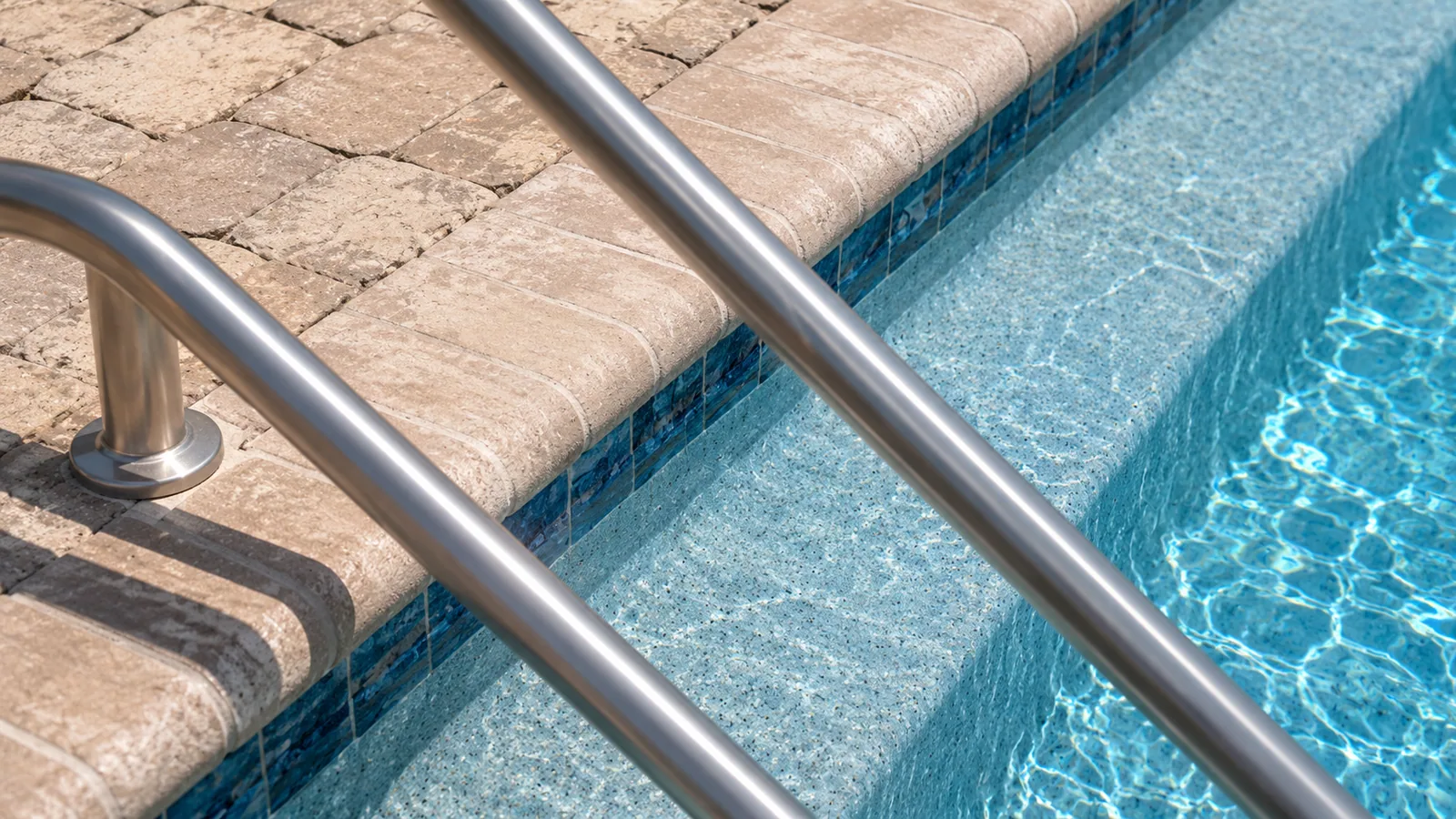
DIY vs. Professional Pool Surround Repairs
We understand the appeal of a weekend DIY project, and for very minor issues, it can be a viable option.
- Minor crack filling: If you have hairline cracks (less than 1/8 inch wide) that are purely cosmetic and don’t indicate structural issues, you might be able to fill them yourself with a suitable concrete caulk or sealant.
- Sealing small gaps: Small gaps in expansion joints can be re-caulked by a homeowner.
However, we strongly recommend professional help for anything beyond the most superficial damage.
- Structural damage assessment: Determining if a crack is cosmetic or structural requires expert knowledge. A professional can assess the underlying cause of damage, which is crucial for a lasting repair.
- Safety risks: Attempting complex repairs without the right tools or expertise can lead to further damage, or worse, create new safety hazards.
- Specialized techniques: Methods like slab jacking or applying concrete overlays require specific equipment and skills that most homeowners don’t possess.
For any significant pool surround issues, contacting professionals like us at Neway Pools is always the safest and most effective approach. Our team offers a range of Services to address your pool’s needs.
Common Repair Techniques Explained
The specific repair method we choose depends on the type and extent of the damage. Here are some of the most common techniques:
- Crack fillers: For minor, non-structural cracks, we use high-quality polyurethane sealants or silicone-based products like NexusPro. These flexible materials allow the concrete to expand and contract with temperature changes, preventing the crack from reopening. They are UV and water-resistant and provide a durable seal.
- Epoxy injection: For structural cracks, especially in concrete, epoxy injection can be used. This method involves injecting a strong epoxy resin into the crack, bonding the concrete back together.
- Concrete patching: For larger cracks, spalling, or minor surface imperfections, concrete patching compounds are used. These are applied to the prepared area, smoothed, and allowed to cure.
- Resurfacing with overlays: When the pool deck has extensive surface damage, discoloration, or minor cracking that isn’t structural, resurfacing with a concrete overlay is an excellent option. Overlays are thin layers of cementitious material mixed with polymers that are applied over the existing concrete. They can restore the appearance, improve slip resistance, and even change the color or texture of your deck. This can cover flaws and provide a fresh, new look. For specialized finishes like Pebblecrete, we also offer Pebblecrete Pool Repairs.
- Stamped concrete repair: If your pool surround is stamped concrete, repairs can involve patching, re-coloring, and re-stamping specific areas to blend with the existing pattern.
The Process for Fixing a Sunken or Uneven Pool Deck
When concrete slabs around your pool have sunken or become uneven, we employ specialized techniques to lift and level them.
- Slab jacking (or Polyurethane foam injection): This is a modern, efficient method for fixing sunken concrete. It involves drilling small, penny-sized holes into the affected concrete slab. Then, a high-density polyurethane foam is injected beneath the slab. This foam expands and cures, filling any voids and gently lifting the concrete back to its original level. This process is minimally invasive, effective at stabilizing concrete by filling voids, and can often be completed within hours.
- Mudjacking: An older method, mudjacking involves pumping a cement-based grout mixture under the slab through larger holes. While effective, it can be messier and more invasive than polyurethane foam injection, and the material is heavier, which can sometimes lead to future settlement. Due to its benefits, we generally prefer polyurethane foam injection for its precision and lighter footprint.
- Soil stabilization: In cases where soil erosion or instability is a significant factor, we may also implement measures to stabilize the underlying soil to prevent future settlement. This often goes hand-in-hand with slab jacking to provide a long-term solution.
Repair vs. Replacement: Making the Right Decision
Deciding whether to repair or completely replace your pool surround is a significant choice. We carefully assess each situation to recommend the most practical and cost-effective solution for our clients in Florida, Georgia, North Carolina, and Alabama.
When is it more practical to repair a pool surround versus replacing it entirely?
Repairing your pool surround is often the more practical and economical choice when:
- Minor isolated cracks: If the cracks are not widespread and do not indicate major structural failure.
- Stable base: The underlying soil and base material are stable and dry, meaning the current damage is mostly surface-level.
- Surface-level damage: Issues like spalling, discoloration, or minor unevenness that can be addressed with resurfacing or patching.
- Budget constraints: Repairs are significantly less expensive than a full replacement, often costing just 30-40% of a full rebuild.
- Desire for quick resolution: Most repairs can be completed in 1-2 days, minimizing disruption to your pool use.
Our team at Neway Pools can help you determine the best course of action. Explore our Services for more information.
Cost and Timeline Comparison
Understanding the financial and time investment for both options is crucial:
| Factor | Repair (Patching, Crack Filling, Lifting) | Resurfacing (Overlays) | Replacement (New Deck) |
|---|---|---|---|
| Average Cost | $3 to $5 per square foot | $8 to $12 per square foot | $20 to $30 per square foot |
| Typical Timeline | 1 to 2 days | 1 to 3 days | 4 to 10+ days (including cure time) |
| Environmental Impact | Low (less waste, no demolition) | Moderate | High (significant waste, demolition) |
Note: Costs are averages and can vary based on materials, labor, and specific project complexity in your area (Florida, Georgia, North Carolina, and Alabama).
Statistics show that repair and restoration services tend to be 25-30% less expensive on average than replacement. While patio and pool restoration usually ranges from $3 to $5 per square foot, resurfacing typically costs between $8 and $12 per square foot. In contrast, replacing a pool surround can cost between $20 and $30 per square foot.
When a Full Replacement or Remodel is the Best Option
Sometimes, repair simply isn’t enough to provide a long-term, safe, and aesthetically pleasing solution. A full replacement or remodel becomes necessary when:
- Significant sinking: If large sections of the pool surround have sunk substantially, indicating widespread soil instability that cannot be easily rectified with slab jacking.
- Widespread structural cracks: Numerous large cracks across the entire deck suggest fundamental structural failure.
- Rebar exposure: If the steel reinforcement (rebar) within the concrete is visible, it means the concrete has deteriorated significantly, and the structural integrity is compromised.
- Outdated design: If you’re looking for a complete aesthetic overhaul and the existing surround doesn’t fit your vision for a modern backyard.
- Desire for a complete aesthetic upgrade: A full remodel allows you to incorporate new materials, designs, and features that simply aren’t possible with a repair.
For homeowners in North Carolina considering a complete change, our Swimming Pool Remodel NC services can help you achieve the pool area of your dreams. A major remodel often requires greater expertise than building a new pool, emphasizing the complexity and specialized skills involved in changing an existing structure.
The Long-Term View: Benefits and Proactive Prevention
Investing in professional pool surround repairs isn’t just about fixing a problem; it’s about safeguarding your family, enhancing your property, and ensuring years of enjoyment from your pool.
The Benefits of Professional Pool Surround Repairs
Addressing damage promptly and professionally yields numerous benefits:
- Improved safety: This is paramount. Repairs eliminate dangerous trip hazards created by uneven slabs or loose coping, reducing the risk of falls around your pool.
- Improved aesthetics: A well-maintained pool surround significantly improves the visual appeal of your entire backyard, making it a more inviting space.
- Increased property value: A beautiful and safe pool area is a major asset that adds to your home’s market value.
- Preventing further damage: Sealing cracks and leveling uneven surfaces prevents water from penetrating beneath the pool surround, which can lead to more extensive and costly structural damage to the concrete, plumbing, and even the pool shell itself.
- Protecting the pool shell: By maintaining a sound surround, you prevent water from reaching the pool’s foundation, which protects the integrity and longevity of your pool shell.
Repairs can also extend the lifespan of your pool surround by 5-10 years if surface issues are addressed early, making it a wise investment in the long run.
How to Maintain Your Pool Surround and Prevent Future Damage
Once your pool surround is repaired, proactive maintenance is key to preventing future issues:
- Regular cleaning: Keep your pool deck clean of debris, dirt, and chemical residue. This prevents staining and the buildup of substances that can degrade the surface.
- Sealing concrete and pavers: Apply a high-quality sealant to your concrete or paver surround every few years (depending on the product and local climate). Sealants protect against water penetration, chemical damage, and UV rays. Our MicroGlass Protectant is an excellent option for durable surface protection.
- Inspecting expansion joints: Regularly check the flexible sealant in your expansion joints. If it’s cracked, dried out, or pulled away, replace it promptly to prevent water from seeping underneath.
- Ensuring proper drainage: Make sure water drains away from your pool surround, not towards it. Address any areas where water pools, as this can lead to soil erosion and settlement.
- Managing pool chemical spills: Be careful when handling and adding pool chemicals. Clean up any spills immediately to prevent etching or discoloration of the surface.
The Consequences of Neglecting Pool Surround Damage
Ignoring damage to your pool surround can lead to a cascade of negative consequences:
- Escalating repair costs: Small cracks can turn into large structural problems, and minor settlement can lead to extensive deck collapse, all of which are far more expensive to fix than early intervention.
- Water damage to the pool’s structure: Unsealed cracks and compromised joints allow water to seep beneath the deck, potentially eroding the soil supporting the pool shell and even damaging the shell itself or its plumbing. This can lead to costly pool leaks and structural failures.
- Safety liabilities: Uneven surfaces and loose coping create significant trip and fall hazards, especially for children and the elderly. As a homeowner, you could be liable for injuries.
- Decreased home value: A dilapidated pool area detracts from your home’s curb appeal and can significantly reduce its market value.
- Unsafe swimming environment: A damaged pool surround can make the entire area feel unsafe and unpleasant, diminishing the joy of owning a pool.
Wrapping Up Your Poolside Comeback
Your pool surround is more than just a decorative border; it’s a critical component of your pool’s safety, longevity, and overall aesthetic. Addressing issues like cracks, uneven surfaces, and coping problems through timely pool surround repairs is an investment that protects your family, improves your property value, and preserves your backyard oasis for years to come.
We’ve covered the common problems, their causes, various repair methods from DIY to professional slab jacking, and the crucial decision between repair and replacement. Understanding the underlying causes of damage and choosing the right repair strategy are key to a lasting solution. While minor cosmetic fixes might be suitable for a DIY approach, structural issues, significant settlement, or widespread damage always warrant professional assessment.
For homeowners in Florida, Georgia, North Carolina, and Alabama, the expert team at Neway Pools specializes in creating and restoring beautiful, safe, and durable outdoor living spaces. We combine premium materials with our extensive experience to deliver results that stand the test of time.
Ready to transform your pool area? Explore our pool remodeling services in Florida, Georgia, and North Carolina.