
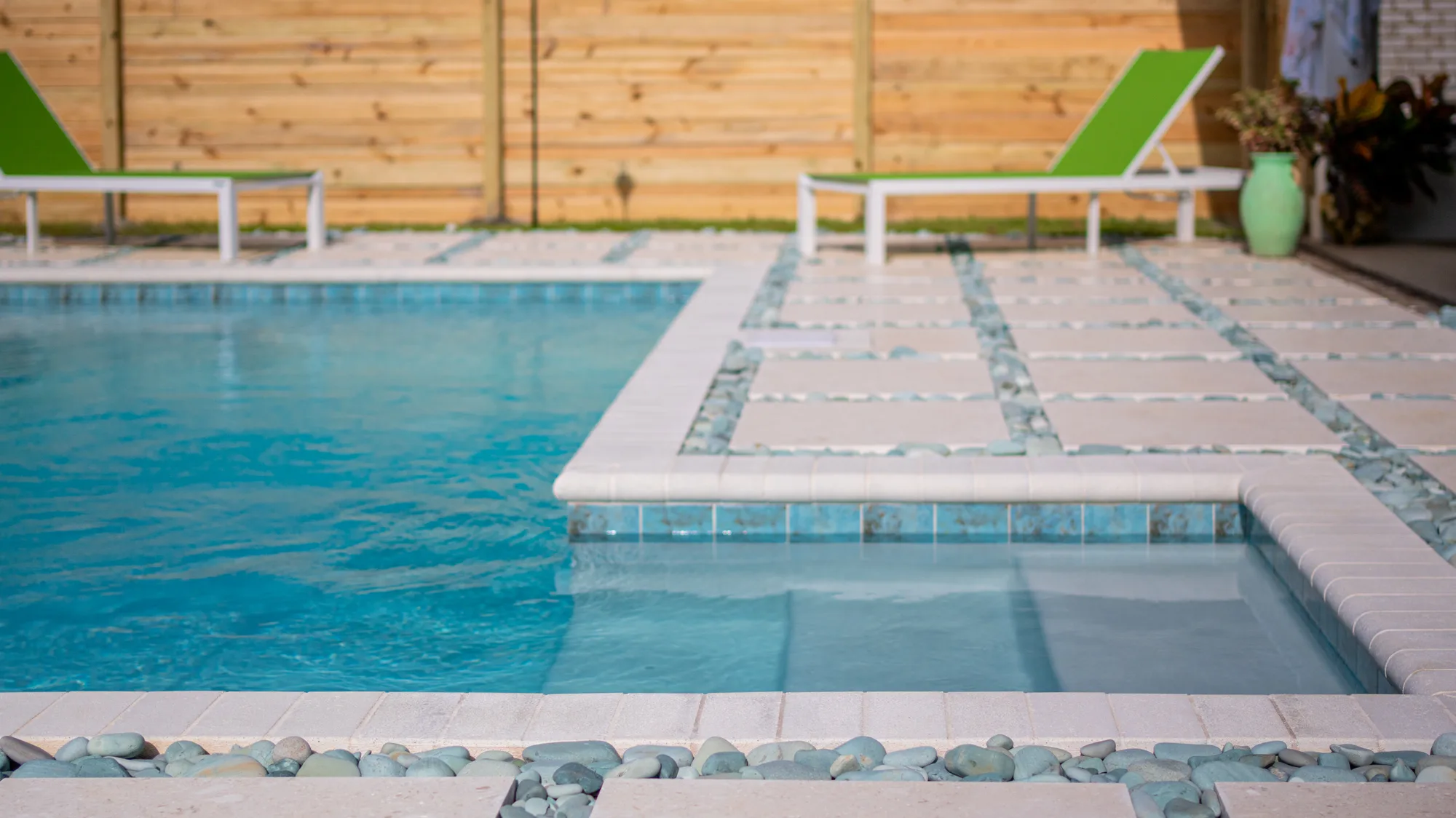
The Rise of the Backyard Swimming Pond
Small natural pools are chemical-free swimming environments that use plants and biological filtration instead of chlorine to keep water clean. They consist of two zones: a swimming area and a regeneration zone with aquatic plants. These pools can fit compact backyards, require less maintenance than traditional pools, and create a healthier, more natural swimming experience.
Key Benefits:
- No chemicals – eliminates skin and eye irritation
- Lower maintenance costs – no regular chemical purchases
- Space efficient – adaptable to small yards through custom shapes
- Wildlife friendly – supports local ecosystem
- Year-round beauty – functions as a garden water feature
When Dave Walter and his family swim in their natural pool, the experience goes far beyond cooling off. “You’re floating next to water lilies and cattails, smelling the patches of peppermint, and listening to the sound of the waterfall,” Walter says. This captures what makes natural pools different—they’re not just pools, they’re living ecosystems.
The concept emerged in Austria during the mid-1980s and has since spread across Europe, where over 2,500 natural pools now exist in Germany, Austria, and Italy alone. Now American homeowners are finding what Europeans have known for decades: you don’t need harsh chemicals to enjoy crystal-clear swimming water.
Natural pools work by mimicking wetlands. Instead of relying on chlorine and constant chemical balancing, they use aquatic plants, beneficial bacteria, and gravel filter beds to purify water naturally. The result? Water so clean it often meets drinking water standards, without the stinging eyes, dry skin, or chemical smell of traditional pools.
Even better, these pools can be designed for compact spaces. Through strategic shaping—curves, L-configurations, and optimized zone ratios—natural pools fit beautifully into small backyards without sacrificing function or aesthetics. They blend seamlessly with your landscape, creating a backyard oasis that looks like it’s always been there.
I’m Lucas Pimenta, General Manager at Neway Pools, and over the past two decades, our team has specialized in creating custom gunite pools that bring natural beauty to life, including small natural pools custom to fit unique spaces across North Carolina, Florida, Georgia, and Alabama. Whether you’re working with a narrow side yard or a cozy backyard, we’ll show you how to maximize every square foot while creating a stunning, sustainable swimming environment.
Small natural pools vocab explained:
- Natural rock waterfalls
- water feature for pool area
Why Choose a Natural Pool for Your Compact Space?
Choosing a natural pool, especially for a compact backyard in Florida, Georgia, North Carolina, or Alabama, offers a wealth of benefits that extend far beyond a simple swimming experience. It’s about creating a harmonious extension of your home, a tranquil retreat that connects you with nature.
One of the most compelling reasons is the aesthetic integration they provide. Unlike traditional pools with their often stark, artificial lines, natural pools are designed to blend seamlessly with your existing landscape. Imagine a beautiful, living water feature that improves your garden’s overall design, complete with natural stone, organic shapes, and lush plant life. This integration means your pool isn’t just a seasonal amenity; it’s a year-round visual delight, a picturesque pond in winter, and a vibrant ecosystem in warmer months.
Beyond aesthetics, the environmental benefits are significant. Natural pools use biological filtration systems that rely on plants and beneficial bacteria to keep the water clean. This eliminates the need for harsh chemicals like chlorine, which can irritate skin and eyes, and also reduces water usage since you’re not constantly draining and refilling chemically treated water. By eschewing chemicals, we create a healthier swimming environment for you and your family, free from the common complaints of stinging eyes, dry skin, or bleached hair. As experts often note, natural swimming pools are a chemical-free alternative that offers a holistic approach to backyard recreation. Furthermore, these living pools can attract beneficial wildlife like dragonflies and frogs, turning your backyard into a miniature, thriving ecosystem.
Low-Maintenance Living
While no pool is entirely maintenance-free, natural pools offer a distinct advantage in their operational simplicity and long-term cost savings. The primary difference lies in the absence of chemicals. This means no more trips to the store for chlorine, no more constant chemical testing, and no need to adjust pH levels with harsh additives. This translates directly into lower yearly maintenance fees, as you won’t have to regularly purchase chemicals.
Instead, the maintenance of a natural pool focuses on tending to the aquatic plants in the regeneration zone and periodically cleaning the biological filter. This organic approach leverages nature’s self-cleaning processes. Without the need for powerful pumps to circulate chemically treated water, natural pools also tend to be less energy-intensive. Many traditional pools are considered “energy hogs” due to their constant filtration requirements. Natural pools, with their simpler pump systems and biological self-cleaning, offer a more eco-friendly and often more affordable operational model over time.
A Unique Aesthetic Appeal
The beauty of natural pools lies in their ability to mimic nature, creating a serene and inviting atmosphere that traditional pools simply cannot replicate. We can craft these pools with natural stone, strategically placed rock features, and gentle waterfalls that improve tranquility and blend effortlessly with the surrounding flora. This organic design philosophy means your pool becomes an integral part of your garden, not an artificial interruption.
The absence of harsh liners and the inclusion of plants and rocks contribute to the unique aesthetic of natural pools. Imagine a custom gunite pool designed to look like a secluded swimming hole, with a pebble finish that feels soft underfoot and reflects the natural light beautifully. We can incorporate stunning water features that not only add visual interest but also create soothing sounds, changing your backyard into a true oasis. For more inspiration on how water features can lift your outdoor space, explore our water feature services.
Designing Small Natural Pools for Maximum Impact
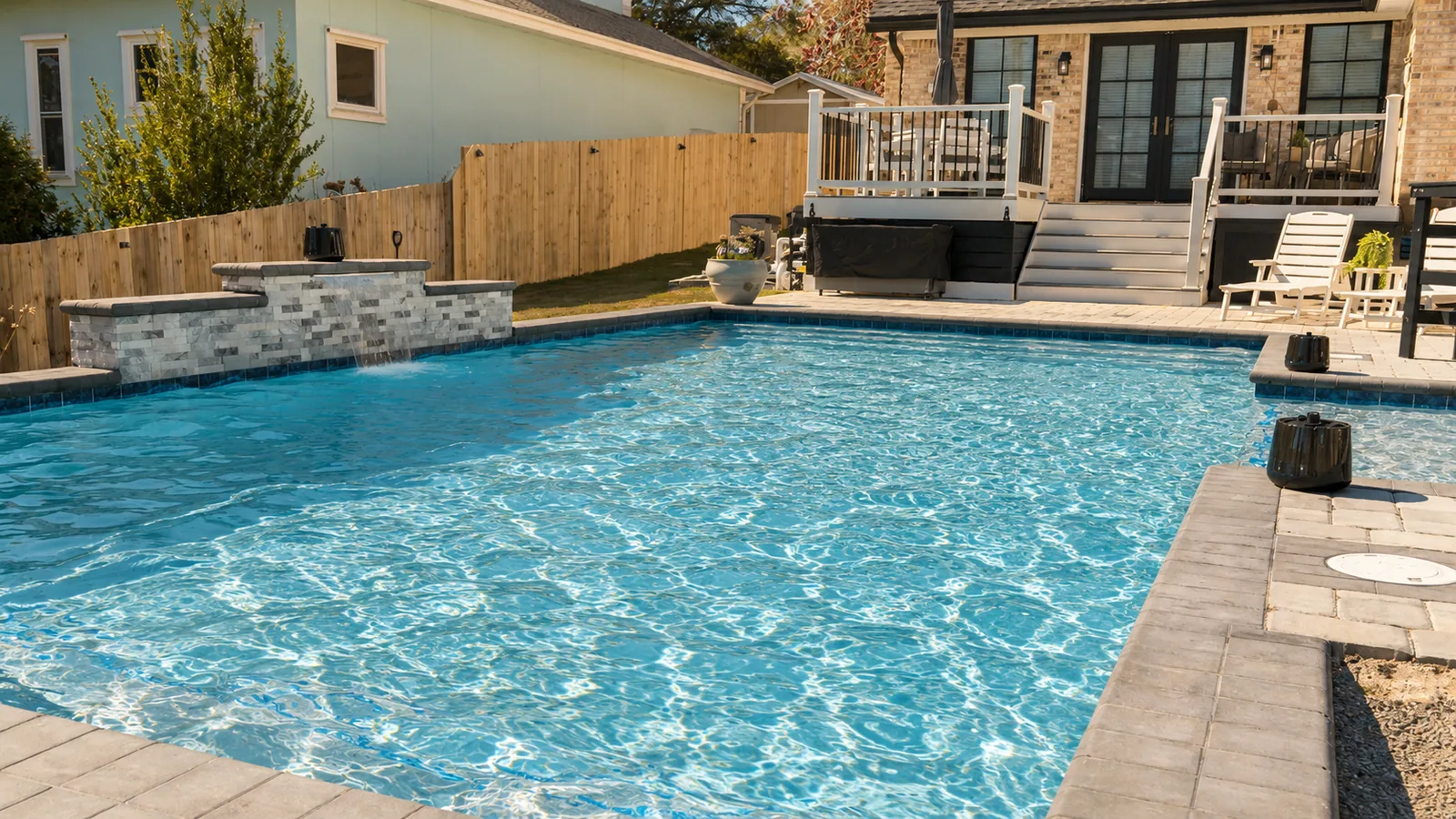
Designing small natural pools for compact backyards, common in many urban and suburban areas of Florida, Georgia, North Carolina, and Alabama, requires creativity and expertise. The goal is to maximize the swimming experience and aesthetic appeal within limited space, without compromising the biological filtration system. This often involves innovative shapes and smart material choices.
We specialize in crafting custom gunite pools, which offer unparalleled design flexibility. Unlike pre-fabricated options, gunite allows us to create virtually any shape or size, making it ideal for fitting a natural pool into a challenging space. We can design freeform pools that curve around existing landscape features, L-shaped pools that provide both a swimming area and a dedicated regeneration zone, or even lap pool styles for narrow side yards. The durability of gunite also ensures a long-lasting and robust structure, while natural stone coping and pebble finishes improve the organic, natural aesthetic.
The Heart of the Pool: Biological Filtration Explained
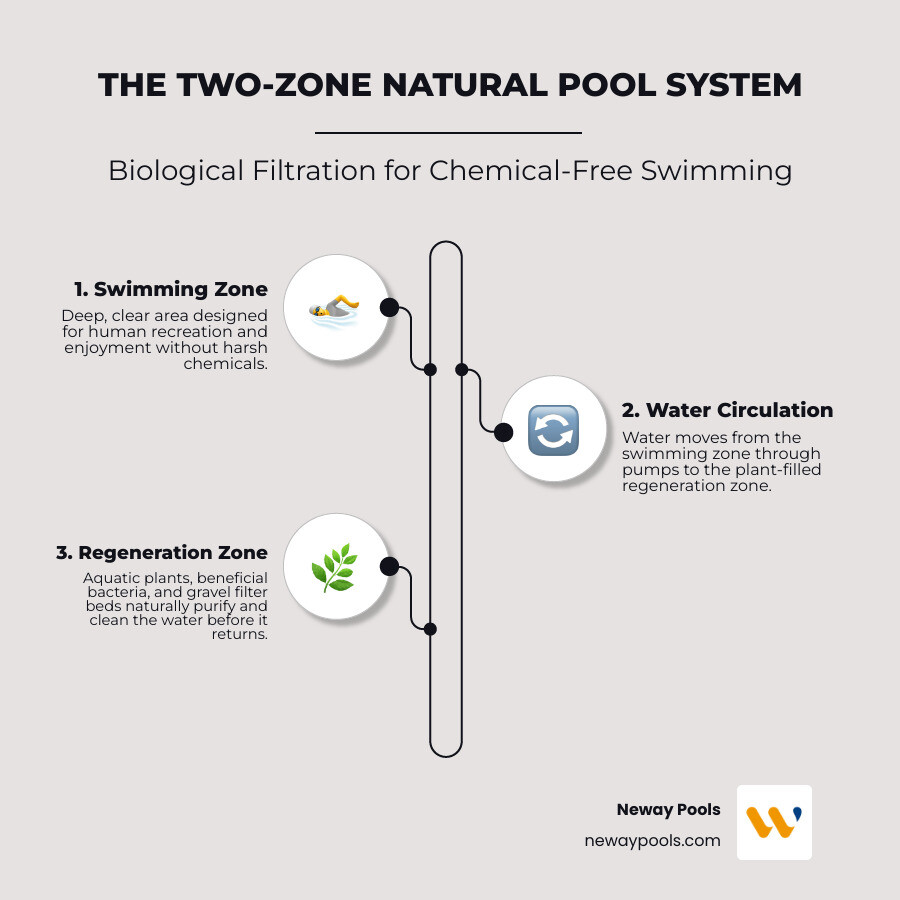
At the core of every natural pool is its sophisticated biological filtration system, which is where the magic truly happens. Unlike traditional pools that rely on chemical sanitizers, natural pools harness the power of nature to keep the water pristine. This system typically involves two distinct zones: the swimming area and the regeneration zone.
The regeneration zone is a shallower area, often separated from the main swimming area, that acts as the pool’s natural kidney. Here, aquatic plants, beneficial bacteria, and gravel filter beds work in harmony to purify the water. As water circulates from the swimming zone through this planted area, the plants’ roots, along with microorganisms living in the gravel, absorb nutrients and pollutants. This process effectively removes organic matter and prevents the proliferation of algae.
We use low-pressure pumps to ensure gentle, continuous water circulation, preventing stagnation and distributing the water through the biological filters. Skimmers are also strategically placed to remove surface debris, much like in a traditional pool. This combination of natural processes and minimal mechanical assistance results in water that is not only clean but also healthy and vibrant. For optimal functioning, the ideal pH for a natural pool should be between 8.0 and 8.6, and the biological filter in a natural pool should be cleaned approximately every six months.
Essential Design Considerations for Small Natural Pools
When designing small natural pools for compact spaces, several key considerations come into play to ensure both functionality and aesthetic appeal.
First, size and proportion are crucial. While the regeneration zone can represent from one sixth to half of the total surface area, careful planning allows us to optimize this ratio even in smaller footprints. We consider depth variations to accommodate both swimming and regeneration, often designing a main bathing area with a minimum depth of around 1.50 meters.
Shape optimization is where our expertise in custom gunite pools shines. We can design L-shapes, curves, and freeform designs that fit snugly into irregular backyard layouts, maximizing every available square foot. Sun exposure is another vital factor; the regeneration zone needs adequate sunlight for the plants to thrive, so we carefully site the pool to ensure proper light while also considering any existing trees that might provide beneficial shade.
Climate adaptation is also important for our Florida, Georgia, North Carolina, and Alabama clients. We select plants and design systems that are resilient to regional weather patterns. Understanding your specific soil conditions is also part of our initial site assessment, as it influences excavation and lining choices. For more detailed information on tailoring a pool to your unique space and preferences, explore our custom pool design services.
Plant Selection and Placement Strategies
Aquatic plants are the unsung heroes of a natural pool, playing a dual role in both filtration and aesthetics. Their strategic placement is key to the pool’s ecological balance and visual harmony. The roots of these plants actively absorb nutrients from the water, which helps to starve out undesirable algae and maintain water clarity. Their foliage also provides shade, further inhibiting algae growth, and creates a beautiful, naturalistic look that blends seamlessly with your garden.
For our clients in Florida, Georgia, North Carolina, and Alabama, we recommend a variety of plants suited to the local climate. These can be categorized into:
- Submergent Plants: These plants grow entirely underwater and are excellent oxygenators. Examples include whorl-leaf watermilfoil, which helps keep the water clear.
- Floating Plants: Water lilies are perhaps the most iconic, providing beautiful blooms and shade. Yellow floatingheart is another attractive option.
- Emergent Plants: These plants are rooted underwater but have stems and leaves that extend above the surface. Irises, cattails, and cypresslike sedge are popular choices, providing vertical interest and robust filtration.
Strategic placement involves grouping plants in the regeneration zone, often in gravel beds, to maximize their filtering capacity. We prioritize native plant choices where possible, as they are naturally adapted to the local climate and require less intervention. This thoughtful selection and arrangement ensure your natural pool is not only a joy to swim in but also a thriving, low-maintenance ecosystem.
The Investment: Upfront Costs vs. Long-Term Savings
When considering a small natural pool, it’s natural to wonder about the financial investment. We find that the cost of installation per square foot for natural pools is comparable to that of standard pools. However, the overall project cost can vary significantly based on design complexity, materials, and features.
For a basic natural pool, you might expect prices to start around $82,000 to $99,000. As you introduce more custom features, improved landscaping, or larger regeneration zones, upgraded natural pools can range from $100,000 to $159,000. For those seeking a truly bespoke, high-end natural pool with advanced filtration and luxurious finishes, costs can be $160,000 and up.
While the initial investment for a natural pool might be similar to or even slightly higher than a traditional pool, the long-term savings are where they truly shine. A significant advantage is the elimination of chemical purchases. Yearly maintenance fees for natural pools are typically lower because you don’t have to regularly purchase chemicals. This can add up to substantial savings over the lifetime of your pool. Furthermore, natural pools often require less energy for circulation compared to the powerful pumps needed for chemical distribution and filtration in traditional pools, leading to lower electricity bills. The inherent durability of materials like gunite, which we use for our custom pools, also contributes to long-term value and reduced repair costs.
Natural vs. Traditional Pools: A Clear Comparison
To truly appreciate the advantages of small natural pools, it’s helpful to compare them directly with traditional chlorine pools. The differences are profound, touching on everything from daily operation to environmental impact and overall experience.
| Feature | Natural Pools | Traditional Chlorine Pools |
|---|---|---|
| Initial Cost | Comparable to standard pools (approx. $82k-$160k+) | Comparable to natural pools, varies by size/features |
| Annual Maintenance | Lower (no chemical purchases, less energy) | Higher (regular chemical purchases, higher energy consumption) |
| Water Quality | Chemical-free, often drinking water standard, soft on skin | Chemically treated, can cause irritation, strong chemical smell |
| Environmental Impact | Eco-friendly, supports biodiversity, no chemical runoff | Chemical use can harm environment, higher energy footprint |
| Health Effects | No stinging eyes, dry skin, or chemical exposure | Can cause eye/skin irritation, respiratory issues, linked to health concerns |
| Aesthetics | Blends seamlessly with landscape, year-round beauty, organic | Often stark, artificial lines, requires constant upkeep to look pristine |
Addressing Common Concerns
While the allure of small natural pools is undeniable, some common concerns often arise, particularly for those accustomed to traditional swimming environments. We believe in providing clear, honest information to help you make an informed decision.
One frequent hesitation revolves around the “living environment” aspect. Yes, a natural pool is an ecosystem. This means you might share your water with beneficial wildlife like frogs or dragonflies, which are attracted to the healthy aquatic environment. For some, this idea of “sharing” the water can be a mental hurdle. However, many of our clients find this connection to nature to be one of the most rewarding aspects of owning a natural pool, changing their backyard into a dynamic and vibrant space.
Another point of discussion is biofilm. While natural, this thin layer of microorganisms can be present, contributing to the biological filtration. It’s a sign of a healthy, functioning ecosystem, not uncleanliness. Similarly, water clarity expectations can differ. While natural pools are clean, they might not always have the sterile, turquoise appearance of a chlorinated pool. Sometimes, plant tannins can cause a slight brownish tint, reminiscent of natural mountain streams, which many find adds to the authentic, organic aesthetic.
Potential for algae is another concern. While the biological filtration system is designed to prevent algae, an imbalance in the ecosystem can sometimes lead to blooms. However, with proper design, strategic plant placement, and regular maintenance focusing on water circulation, pH balance (ideally between 8.0 and 8.6), and nutrient control, these issues are manageable.
Finally, the construction complexity of a natural pool is often perceived as a drawback. While it does require specialized knowledge in hydrobiology, landscape design, and engineering, working with experienced professionals like Neway Pools ensures a smooth and successful build. We handle the intricacies, allowing you to enjoy the benefits without the stress.
Your Backyard, Reimagined
A small natural pool is more than just a place to swim; it’s a lifestyle choice, an investment in well-being, and a profound connection to the natural world right in your own backyard. It’s about creating a personal sanctuary where the sounds of cascading water and the sight of vibrant aquatic plants soothe your senses, turning every moment into a mini-vacation.
We at Neway Pools understand the desire to transform your outdoor space into something truly special. With our expertise in custom gunite construction, we’re uniquely positioned to bring your vision of a natural-looking pool to life, no matter the size or complexity. We pride ourselves on crafting inspiring backyards that not only improve your property’s value but also bring families together in a healthy, sustainable environment across Florida, Georgia, North Carolina, and Alabama.
Imagine unwinding by your beautiful, natural-looking gunite pool, complete with a gentle waterfall feature, as the sun sets. It’s a tranquil escape, designed specifically for you.
Ready to explore how we can change your backyard into this reality? Start your design journey with us today.
Learn more about our Florida pool builder services.
Learn more about our Georgia pool builder services.
Learn more about our North Carolina pool builder services.
Learn more about our Alabama pool builder services.